
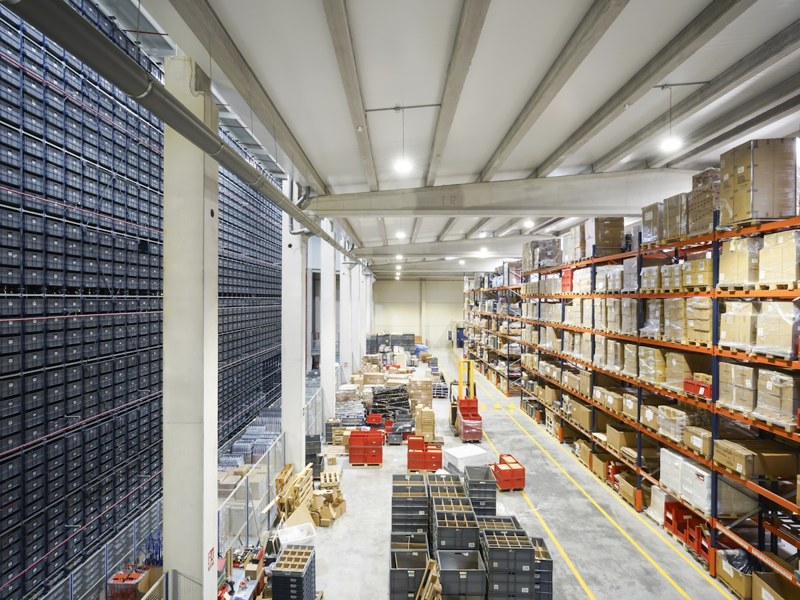
A free trade zone in Singapore is a designated area where imported goods can be stored, handled and re-exported with duty and Goods and Services Tax suspended until the goods enter the domestic market. This guide explains how free trade zone usage and customs work, the documents and permits required, the fees in S$ and the realistic 2026 timeline for trading and logistics companies.
Raffles Corporate Services works with a panel of corporate and employment law firms; this article is general information, not legal advice.
What a free trade zone is and how it works
Singapore’s free trade zones are established and governed by the Free Trade Zones Act 1966, which designates specified areas at the seaports, airport and logistics hubs where goods may be brought in, stored, repacked and re-exported without immediate payment of customs duty or import GST. The movement of goods across the customs border is regulated by the Customs Act 1960, and import GST is charged under the Goods and Services Tax Act 1993 when goods leave the zone for local consumption. The practical benefit is cash flow: duty and GST are suspended while goods sit in the zone and only crystallise if and when the goods enter the domestic market.
Who free trade zone usage is for
Free trade zones suit re-exporters, transhipment operators, regional distribution hubs and logistics providers that hold inventory in Singapore before shipping onward. If most of your stock is destined for re-export, the zone lets you defer or avoid domestic import GST on that portion. Companies that mainly sell into the local market gain less from the zone itself and should look instead at schemes such as the Import GST Deferment Scheme (IGDS), which defers import GST to the GST return rather than paying it at the point of import.
Eligibility, permits and documents required
To use a free trade zone you generally operate through a business with a valid Unique Entity Number, an activated Customs Account and, where you handle controlled or dutiable goods, the relevant licences. Every movement into and out of the zone is supported by a customs permit obtained through the national trade platform. The core documents include: the commercial invoice and packing list; the bill of lading or air waybill; the customs import, export or transhipment permit; any controlled-goods licences or certificates; and, where applicable, preferential certificates of origin. Keep templates for the permit declaration checklist, a goods-movement log and a customs-compliance file, because Singapore Customs expects accurate records to be retained and produced on request.
Governance still matters. Section 157A(1) of the Companies Act 1967 provides that a company’s business is managed by, or under the direction of, its directors, so the board should ensure customs controls and record-keeping are properly resourced before high volumes flow through the zone.
Cost, fees and timeline (2026)
The zone itself is a facility rather than an award, so budget for company setup, warehousing and per-permit costs. Incorporation with ACRA is S$315 in statutory fees, and first-year corporate service provider support typically runs from S$800 to S$2,500. Registering the business address and BizFile+ particulars is a prerequisite, as explained in this guide to the Singapore registered address and BizFile+ filings. Customs permit fees are modest and charged per declaration, typically a few dollars each through the trade platform, while warehousing and handling inside the zone are commercial charges set by the operator. Where you handle dutiable goods, a licensed warehouse or a Zero-GST warehouse licence may be needed, and Singapore Customs sets those application requirements.
On timing, incorporation completes in 1 to 3 working days, activating a Customs Account is usually 1 to 2 working days, and individual permits are typically approved within minutes to a few hours once your declarations are correct. Licensing for dutiable-goods warehouses takes longer, commonly a few weeks, depending on premises approval and security requirements.
Common mistakes and gotchas
The first mistake is assuming goods in a free trade zone are entirely tax-free forever: duty and GST are only suspended, and they become payable the moment goods enter the domestic market. The second is permit and classification error, since the wrong tariff code or permit type can trigger penalties and delays. The third is weak record-keeping, because Singapore Customs can audit movement logs and expects a clean audit trail. The fourth is staffing, as warehouse and operations roles often need the correct work passes, covered in this Singapore work pass employer guide. The fifth is treating the zone and a licensed warehouse as the same thing; they interact but serve different purposes.
How free trade zone usage works, step by step
First, incorporate the entity and activate a Customs Account. Second, obtain any controlled-goods or dutiable-goods licences you require. Third, arrange space with a free-trade-zone or licensed-warehouse operator. Fourth, declare each inbound movement with the correct customs permit and store the goods with duty and GST suspended. Fifth, on re-export, file the export or transhipment permit; on local release, pay the duty and import GST due. Sixth, retain the full document set and reconcile your movement log for audit.
Confirm the current procedures with the regulators before you rely on them. Check permit and licensing rules with Singapore Customs, the GST treatment with IRAS, and trade-facilitation support with Enterprise Singapore, since procedures and fees are periodically updated.
FAQs
Do I pay GST on goods stored in a free trade zone? No, import GST is suspended while the goods remain in the zone. It becomes payable if the goods are released into the domestic market.
Is a free trade zone the same as a bonded or licensed warehouse? No. A free trade zone is a designated area under the Free Trade Zones Act 1966, while licensed and Zero-GST warehouses are separate customs facilities with their own licences. They can be used together.
What permits do I need to move goods in and out? Each movement needs the appropriate customs permit, an import, export or transhipment declaration, filed through the national trade platform with supporting invoices and transport documents.
How quickly are customs permits approved? Correctly completed permits are typically approved within minutes to a few hours, though controlled goods and licensing can take longer.
Can a company selling locally benefit from a free trade zone? The benefit is smaller if goods are for local sale, since GST becomes payable on release. Deferment schemes such as IGDS may suit local-market importers better.
Related guides
See also: Singapore registered address and BizFile+ filings, Singapore work pass employer guide and Import GST Deferment Scheme (IGDS).
Need help with this? Call, SMS or WhatsApp +65 8501 7133, or email [email protected]. Raffles Corporate Services works with a panel of corporate and employment law firms; this article is general information, not legal advice.