The knowledge to move forward.
Category: Running Your Company
September 25, 2026
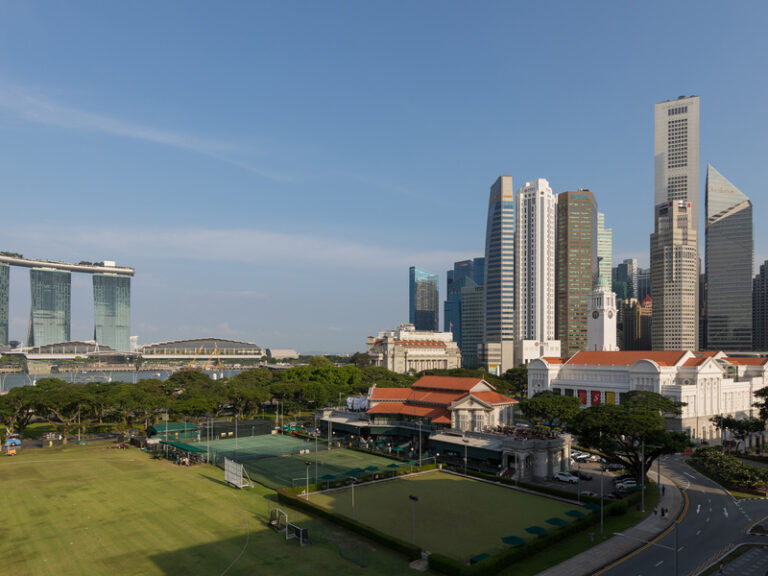
A US software company wants to hire a single sales representative in Singapore to test the market before committing further. A European manufacturer needs a country manager on…
Read article ↗
September 25, 2026
51%, 75%, 25%, 10%, 5%: what each shareholding threshold actually gives you in a Singapore private company, and what a single share still protects.
Read article ↗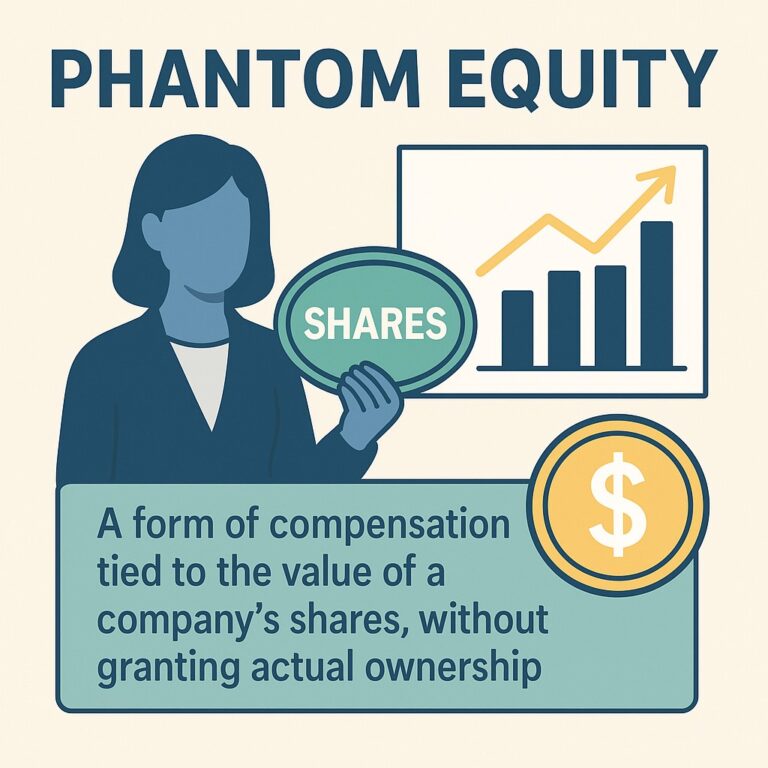
September 25, 2026
Why equity sounds attractive — but rarely works for SMEs
Read article ↗
September 25, 2026
Ordinary, preference, redeemable, convertible and treasury shares in a Singapore company: what rights attach to each, where the terms must live, and what to issue.
Read article ↗
September 25, 2026
Many Singapore companies sell to customers overseas, whether they ship machinery to Malaysia or provide consultancy to a client in London. A common question follows: does GST apply?…
Read article ↗
September 24, 2026
Every share transaction in a Singapore private company is a filing, and most do not take legal effect until ACRA updates the register. Here is the whole map.
Read article ↗
