
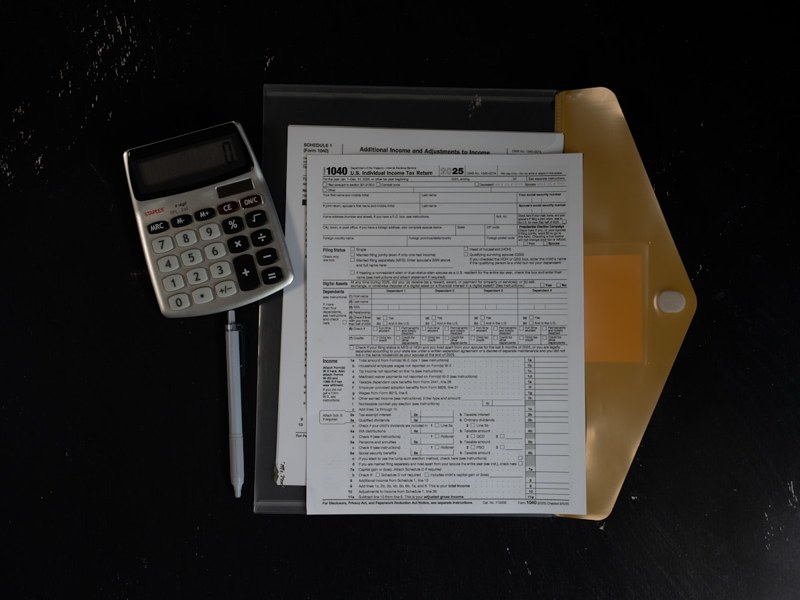
Financial statements are formal records of the financial activities and position of a business, individual, or organization. They give a structured summary of money coming in and going out, what the entity owns and owes, and whether it is profitable.
Raffles Corporate Services works with a panel of experienced Singapore law firms who offer cost-effective and efficient legal service and advice. This article is general information only and is not legal advice.
They are usually prepared periodically (monthly, quarterly, annually) and are essential for management, investors, regulators, and tax authorities to understand financial health and performance.
Main Types of Financial Statements
-
Balance Sheet (Statement of Financial Position)
-
Shows what a company owns (assets), what it owes (liabilities), and the owners’ stake (equity) at a point in time.
-
Formula: Assets = Liabilities + Equity
-
-
Income Statement (Profit & Loss Statement)
-
Summarises revenues, expenses, and profits/losses over a period.
-
Answers: “Did the business make money or lose money?”
-
-
-
Tracks actual cash inflows and outflows over a period.
-
Divided into operating, investing, and financing activities.
-
Answers: “Where did the cash come from and where did it go?”
-
-
Statement of Changes in Equity (Retained Earnings Statement)
-
Shows changes in owners’ equity from profits, dividends, and new investments.
-
Why Financial Statements Matter
-
For Management – to monitor performance and make decisions.
-
For Investors/Shareholders – to assess profitability and growth potential.
-
For Lenders – to evaluate creditworthiness.
-
For Regulators/Tax Authorities – to ensure compliance and accurate tax reporting.
Need help with this?
Raffles Corporate Services can handle the ACRA filings, compliance documentation and records for you, and where court proceedings or legal advice are needed, we work with a panel of experienced Singapore law firms who offer cost-effective and efficient legal service and advice.
Email: [email protected]
Call, SMS or WhatsApp: +65 8501 7133