
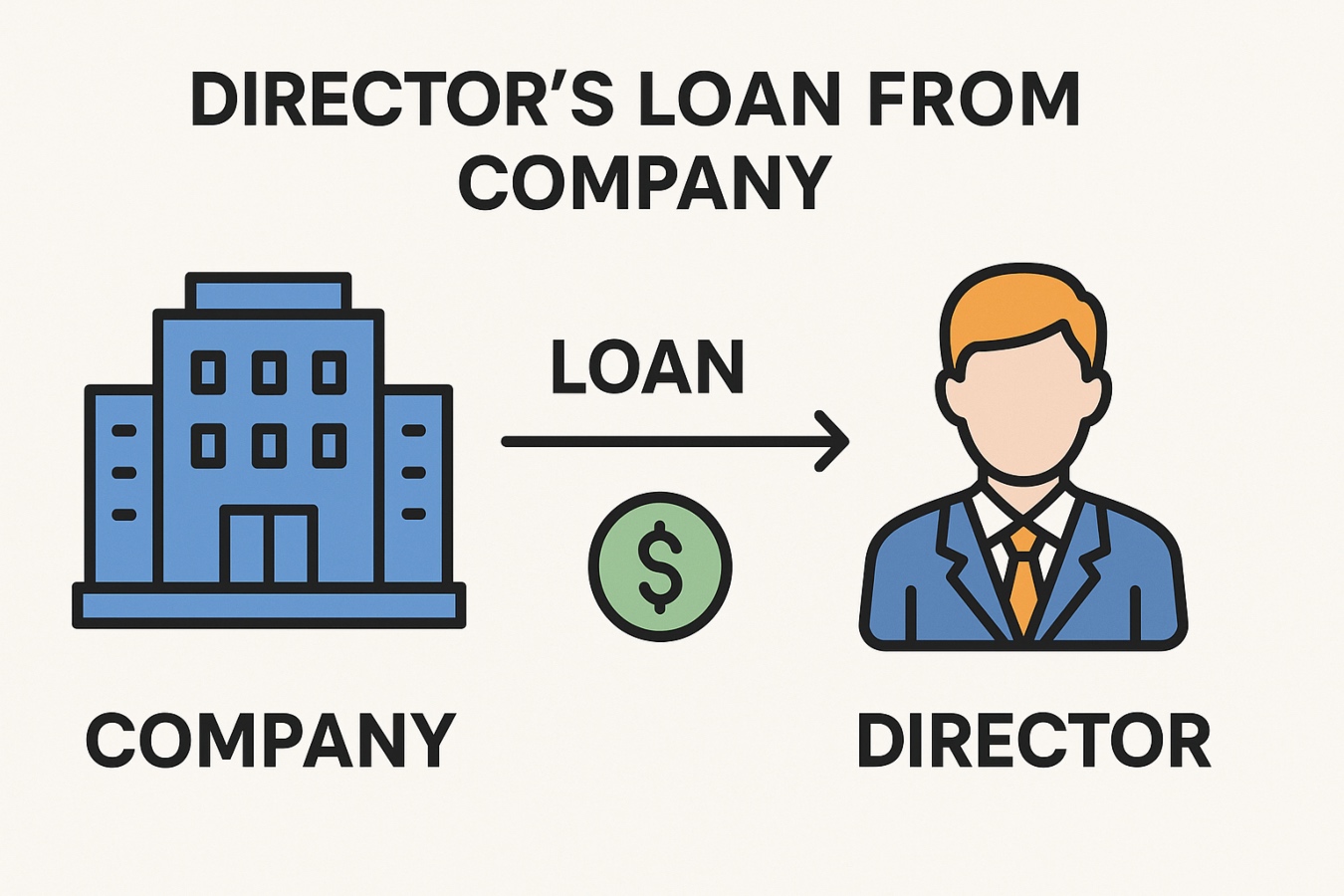
Companies in Singapore must practice strong corporate governance. It is a legal necessity. The law closely governs financial deals between a company and its directors. Sections 162 and 163 of the Companies Act provide a strict framework. These rules prevent the misuse of company funds. They also protect shareholders and creditors. The law stops directors from using their position for personal gain. Business owners must understand these rules to stay compliant. This avoids serious legal and financial trouble.
This guide will simplify these two important sections. We will explore the main prohibitions on loans. We will also outline the specific exceptions that allow some flexibility. You will learn about the major penalties for breaking these rules. This article provides the clarity you need. It helps you handle financial dealings with directors lawfully and confidently.
The Core Prohibition: Section 162 and Loans to Directors
Section 162 of the Companies Act sets a very clear rule. It prohibits a company from giving financial help to its directors. This also applies to directors of a related company. However, this rule does not apply to Exempt Private Companies (EPCs). EPCs have more flexibility. All other companies must follow this comprehensive restriction. The law covers many “restricted transactions.” These include direct loans and “quasi-loans.” A quasi-loan is where a company pays a director’s debt. The director must then reimburse the company. The company also cannot give guarantees for a director’s personal loans.
This prohibition is intentionally broad. It prevents directors from finding loopholes. The rule covers credit transactions as well. This includes selling goods to a director with deferred payment. Critically, the law expands the term “director.” It includes their spouse and children (son, daughter, adopted, and stepchildren). This ensures directors cannot use family members to bypass the rule. Section 162 blocks common ways directors could misuse company funds. It reinforces a director’s duty to always act in the company’s best interest.
Permitted Pathways: Exceptions to the Rule
The law understands that some financial help for a director is legitimate. So, Section 162 includes specific, controlled exceptions. These exceptions allow certain transactions under strict conditions. For example, a company can fund a director’s work-related expenses. This helps them perform their duties for the company. However, this requires prior approval from the company in a general meeting. Shareholders must agree to it first. If they do not, the director must repay the funds within six months. This process gives shareholders crucial oversight over company money.
Another key exception helps a director buy a home. A company can assist a full-time director in acquiring a home for their use. This also needs prior approval from shareholders. A director can only have one such transaction outstanding at a time. Additionally, if a company has an employee loan scheme, a full-time director can join. They must follow the same terms as other employees. Finally, financial firms like banks and insurers can lend money as part of their normal business. The Monetary Authority of Singapore supervises these activities. These exceptions offer flexibility while upholding strong governance.
The High Cost of Non-Compliance
Ignoring Section 162 leads to severe outcomes. The consequences affect both the company and its directors. Any director who authorises a forbidden transaction commits a criminal offence. A conviction can lead to a fine of up to $20,000. It can also result in imprisonment for up to two years. This criminal liability shows how seriously Singapore law treats this issue. It strongly deters directors from misusing their power for personal gain.
Civil liabilities are also very significant. Directors authorising a bad loan without shareholder approval are personally liable. They must jointly and severally indemnify the company for any loss. This means they must cover any part of the loan the company cannot recover. The company can still sue the director to get the money back. If the director knew the loan was illegal, the law might treat them as a “constructive trustee.” They would hold the funds in trust for the company. A court can offer relief from civil liability if a director acted honestly. However, this relief does not apply to criminal charges.
Extending the Net: Section 163 and Loans to Connected Companies
The law also watches transactions with companies linked to directors. Section 163 specifically targets loans to these connected entities. This includes other companies, LLPs, or VCCs. The rule applies if a director of the lending company holds a large interest in the receiving business. It is triggered if a director or group of directors holds 20% or more of the total voting power. This provision stops directors from using other companies to access company funds for their own benefit.
Like Section 162, this rule requires prior approval in a general meeting. The interested director and their family members cannot vote on the matter. This ensures that impartial shareholders make the decision. The rule applies even if the connected company is based overseas. This closes a major potential loophole. Section 163 reinforces a director’s core fiduciary duty. They must avoid conflicts between their personal interests and their duty to the company. This protects company assets from being used in risky, self-serving deals.
Exceptions and Consequences Under Section 163
Section 163 also includes logical exceptions for normal business. The most important exception is for intra-group transactions. A company can lend funds to its subsidiary or its holding company. It can also lend to a “sister company” within the same corporate group. This allows for the easy flow of capital where it is needed for operations and growth. The restrictions do not apply to Exempt Private Companies (EPCs). They also do not stop financial institutions from conducting their regular lending business. These exceptions make practical sense for business.
The consequences for breaking Section 163 are just as serious. A director who authorises a prohibited loan commits a criminal offence. They face the same penalties: a fine up to $20,000 or up to two years in jail. They are also liable to repay the company for any losses. This stems from their breach of fiduciary duty. The law still allows the company to recover the loan amount. This protects the company as well as any innocent third-party lenders. Directors can ask a court for relief from civil liability, but the risk of criminal conviction remains a powerful reason to comply.
Stay Compliant, Stay Protected
Sections 162 and 163 of the Companies Act are vital to Singapore’s governance standards. They are not just red tape. They are essential rules that protect a company’s financial stability. They ensure directors honour their duties. Navigating these rules requires care and a clear understanding of your legal duties.
If you have questions about director’s duties or corporate compliance, please do not hesitate to contact the Raffles Corporate Services team at [email protected].
Yours sincerely, The editorial team at Raffles Corporate Services