
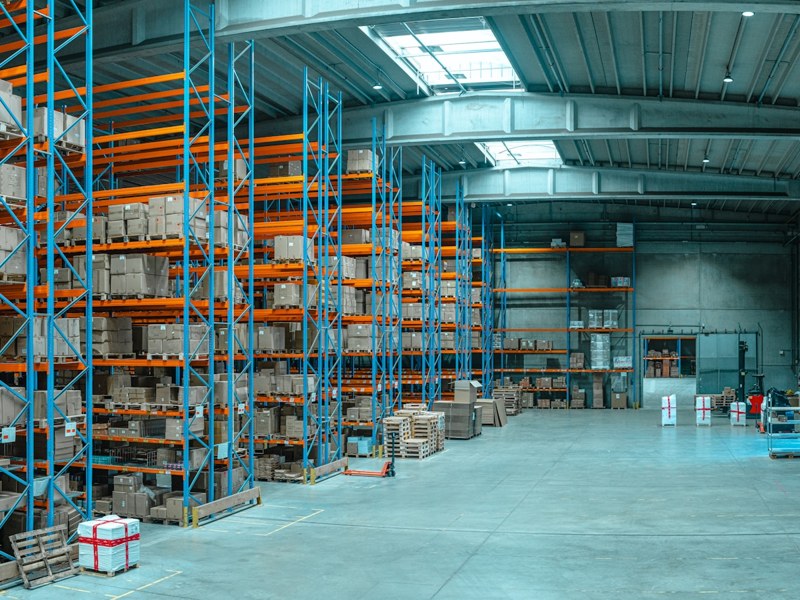
A free trade zone (FTZ) in Singapore is a designated area, established under the Free Trade Zones Act 1966, where imported goods can be stored, handled, processed and re-exported with customs duty and Goods and Services Tax suspended until the goods enter customs territory — a valuable tool for trans-shipment and re-export trading businesses.
What a free trade zone is
Singapore operates several free trade zones located at its seaports and Changi Airport, established under the Free Trade Zones Act 1966 and managed by appointed FTZ operators such as the port and airport authorities. Within an FTZ, dutiable and controlled goods can be landed, stored, repacked, sorted and re-exported without immediate payment of customs duty or GST.
The commercial logic is cash flow and speed: goods that are merely passing through Singapore, or being consolidated for onward shipment, do not tie up duty or tax while they sit in the zone. Duty and GST crystallise only when goods are removed into customs territory for local consumption.
Who FTZ facilities are for
FTZ arrangements suit trans-shipment operators, re-exporters, regional distribution hubs and traders consolidating cargo for onward markets. Manufacturers using imported inputs for export production also benefit from the suspension of import charges.
Most companies using FTZ facilities are also setting up a substantive Singapore trading or logistics entity. If you are still structuring the Singapore vehicle, our incorporation guide for foreign groups is a helpful companion: Singapore Holding Company 2026: Tax Benefits, Structure and Setup Guide.
Eligibility and requirements checklist
Access to FTZ benefits is operational rather than a discretionary award. Businesses should be ready with:
- A registered Singapore business with a valid customs account (activated with Singapore Customs).
- Appropriate permits through Singapore’s TradeNet system for movements into and out of the zone.
- Arrangements with a licensed FTZ operator for storage and handling space.
- Proper inventory records reconciling goods received, stored and removed.
- Compliance with controls on strategic goods, dutiable products and prohibited items.
Warehouse, logistics and trade-operations roles often involve foreign hires; where that applies, check the relevant work-pass requirements. Employers frequently plan this alongside FTZ set-up: Practical S Pass Approval Tips for Singapore Employers: Avoiding Common Rejections.
Cost, timeline and duties
There is no duty or GST while conforming goods remain within the zone. Costs are the commercial charges of the FTZ operator (storage, handling and space) plus your own logistics and compliance overhead. Duty and GST become payable only when goods are removed into customs territory for local use.
Setting up a customs account and TradeNet access is typically a matter of days to a few weeks once your registration and documentation are in order. Arranging storage capacity with an operator depends on availability and the nature of your cargo.
For most trans-shipment flows, the saving is a working-capital one: you avoid financing duty and GST on goods that never enter the local market.
Step-by-step process
- Register the Singapore business and activate a Singapore Customs account.
- Arrange FTZ storage and handling with a licensed operator.
- Declare movements through TradeNet, obtaining permits for entry into and removal from the zone.
- Maintain accurate inventory and documentation for audit.
- Pay duty and GST only on goods removed into customs territory.
FTZ versus a licensed warehouse or bonded facility
Businesses sometimes confuse free trade zones with licensed (bonded) warehouses and zero-GST warehouses. All defer or suspend import charges, but they operate under different regimes and controls. A free trade zone is a geographically designated area at the ports and airport for trans-shipment and re-export; a licensed warehouse and a zero-GST warehouse are premises licensed by Singapore Customs for storing dutiable goods and non-dutiable imported goods respectively.
The right choice depends on your flow. Pure trans-shipment and consolidation for re-export sit naturally in an FTZ. Storage of imported goods intended eventually for the local market, with GST managed, may fit a zero-GST warehouse better. Map your goods flow before committing to a facility type.
Record-keeping and audit expectations
Because duty and GST are suspended in the zone, Singapore Customs places heavy weight on inventory integrity. Expect to maintain records that reconcile every consignment received, stored, moved and removed, tied to the corresponding TradeNet permits. Discrepancies between physical stock, system records and permits are the most common trigger for a customs query or assessment.
Good practice is a perpetual inventory system reconciled regularly, clear segregation of dutiable and controlled goods, and retention of documentation for the statutory period. Treat the zone privilege as conditional on demonstrable control.
Common mistakes and gotchas
The biggest risk area is record-keeping. Because duty and GST are suspended, Singapore Customs expects a clean audit trail reconciling every unit in and out of the zone; discrepancies can trigger assessments and penalties.
A second pitfall is assuming all goods are eligible. Strategic goods, controlled items and certain prohibited products face additional controls even within an FTZ, so screen your product list against customs and licensing requirements before relying on zone treatment.
Official sources: iras.gov.sg, enterprisesg.gov.sg.
Related guides
- Singapore Holding Company 2026: Tax Benefits, Structure and Setup Guide
- Practical S Pass Approval Tips for Singapore Employers: Avoiding Common Rejections
- Free Trade Zone (FTZ) usage and customs — Timeline and processing benchmarks
FAQs
Do goods in an FTZ attract GST?
No — GST and customs duty are suspended while conforming goods remain within the zone. They become payable only when goods are removed into customs territory for local consumption.
How many free trade zones does Singapore have?
Singapore operates several free trade zones at its seaports and at Changi Airport, established under the Free Trade Zones Act 1966 and run by appointed operators.
Is FTZ access an incentive I have to apply for?
No. FTZ treatment is operational. You need a Singapore Customs account, TradeNet permits and an arrangement with an FTZ operator, rather than a discretionary award.
Can I process or repack goods in an FTZ?
Yes. Storage, sorting, repacking and certain processing are permitted within the zone, which is what makes FTZs useful for consolidation and re-export.
Can I sell FTZ goods into the Singapore market?
Yes, but once goods are removed from the zone into customs territory for local consumption, customs duty (if applicable) and GST become payable, with the appropriate permit declared through TradeNet.
Do I need my own space in the zone?
You arrange storage and handling with a licensed FTZ operator; you do not need to be an operator yourself. Capacity and terms depend on the operator and your cargo type.
Need help with this? Call, SMS or WhatsApp +65 8501 7133, or email [email protected]. Raffles Corporate Services works with a panel of corporate and employment law firms; this article is general information, not legal advice.