
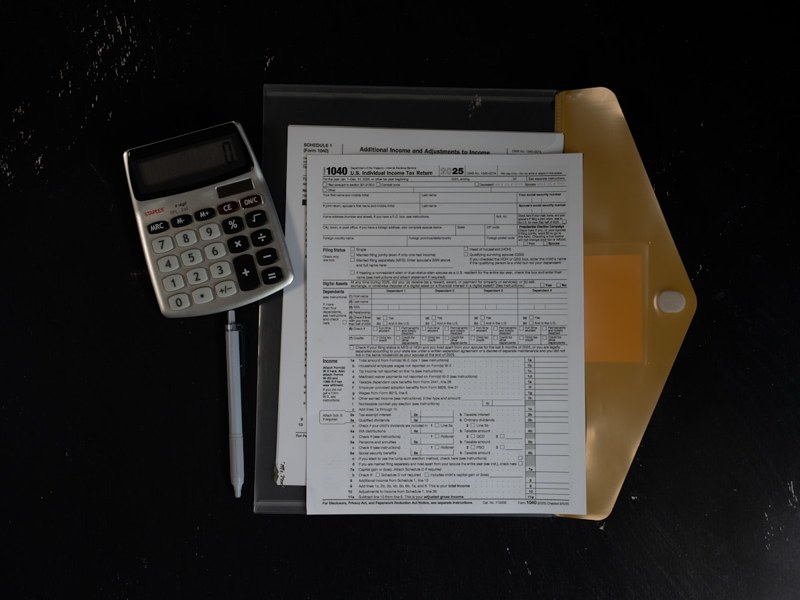
When one company runs two business activities, a single expense code can hide important differences. Identify direct costs first, then document a reasonable basis for allocating shared expenditure. A spreadsheet percentage should explain how the business operates, not merely produce a preferred tax result.
Raffles Corporate Services works with a panel of experienced Singapore law firms who offer cost-effective and efficient legal service and advice. This article is general information only and is not legal advice.
IRAS’s business expense guidance sets the conditions for deductions. Allocating a cost does not make an otherwise disallowable expense deductible. The tax adviser still needs to assess the nature and purpose of each item.
Identify the activities and their income
Describe what each activity does, its customers, contracts and resources. Separate activities within the same company from transactions between different group companies. The latter can raise additional related-party and transfer-pricing questions.
Use the actual invoices and contracts to identify income. If one invoice covers several services, establish what was supplied instead of splitting revenue solely to make the departmental reports look balanced.
Assign direct costs before shared overheads
Materials, a dedicated contractor or a subscription used exclusively by one activity may be directly identifiable. Keep the evidence supporting that assignment. Do not place a clearly direct cost into a shared pool simply because a standard percentage is easier to apply.
Example: consulting and online product sales
A company earns consulting fees and sells products online. Product purchases belong to the sales activity, while a contractor engaged for a consulting assignment belongs to that assignment. Shared office or administration expenditure requires a separate assessment of how it supports the activities.
Choose an allocation driver that fits the expense
- Staff time for a shared support function, where reliable time information exists.
- Space occupied for relevant premises costs.
- Usage information for a shared service.
- Another supported driver appropriate to the particular expense.
Revenue can be relevant in some circumstances, but should not automatically determine every allocation. A low-revenue activity may use substantial resources while it is being developed. Explain why the selected driver reflects the expense.
Keep the assumptions visible
Document the period, data source, calculation and person responsible. Where estimates are necessary, identify them and explain their limitations. Review a driver when operations change, rather than rolling forward last year’s percentage without checking.
Maintain the underlying documents in accordance with IRAS record-keeping requirements. A year-end summary should lead back to invoices, contracts and the evidence used for the allocation.
Reconcile the allocation to the company’s accounts
The allocated totals should equal the actual expense pool, with no double counting or omitted costs. Then review accounting-to-tax adjustments separately. An internal departmental profit calculation is not automatically the final corporate tax computation.
If one activity has special tax treatment, exempt income or incentive conditions, obtain advice on the applicable rules. Do not assume a general management allocation meets every specific tax requirement.
Must every shared cost use the same percentage?
No single driver necessarily fits all expenses. Assess the relationship between each cost and the activities it supports.
Can we change the basis when the result is inconvenient?
A change should reflect the facts and be documented. Choosing a basis solely to create a favourable result weakens the explanation.
Further company tax and accounting resources
Explore our corporate tax filing guide, bookkeeping error checks and related-party transaction guidance.
Get help reviewing the tax file
For company accounting or tax advice, email Raffles Corporate Services at [email protected] or WhatsApp +65 8501 7133. Our accounting team and tax advisers can review your circumstances. Where contractual or other legal advice is needed, advisers from our associated law firms can assist.