
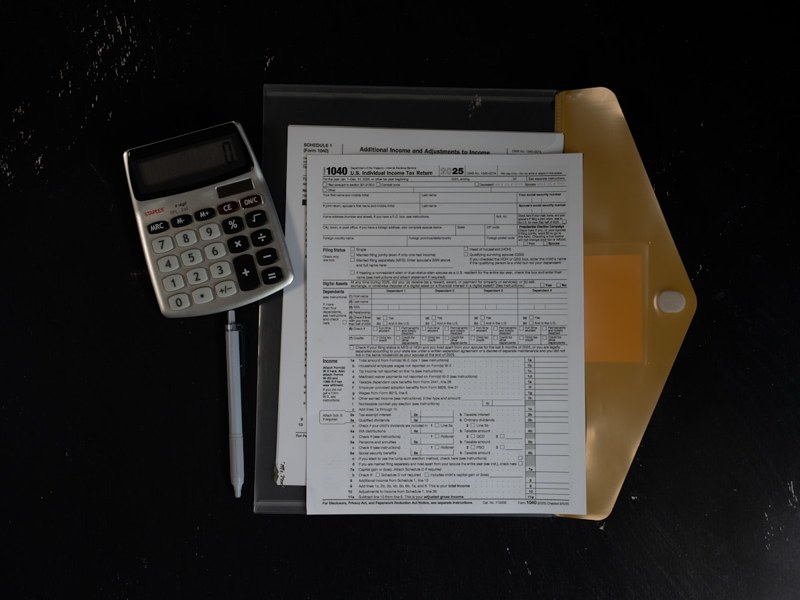
A supplier credit note arriving after year-end should be traced to the original transaction before it is posted. Find out why the credit was issued, when the underlying facts arose and whether the company’s accounts or tax filing already include the expense.
Raffles Corporate Services works with a panel of experienced Singapore law firms who offer cost-effective and efficient legal service and advice. This article is general information only and is not legal advice.
The credit note date is part of the evidence. It does not by itself decide the accounting period, corporate tax adjustment or GST treatment.
Read the reason for the credit
Distinguish a pricing correction, returned goods, cancelled services, settlement of a dispute and a new commercial concession. Ask the supplier for clarification where the document says only “adjustment”. Keep the relevant agreement and correspondence with the credit note.
Check whether the credit will reduce an outstanding invoice, be refunded in cash or be applied to a future purchase. These outcomes affect the reconciliation and should not be confused with one another.
Example: a quantity dispute settled after closing
The company disputes part of a supplier invoice before year-end and reaches a settlement afterwards. Give the accountant the dispute chronology and settlement terms. The treatment should reflect that evidence and the applicable standards, not merely the month in which the supplier generated the credit note.
Locate the original accounting entry
- Invoice number and expense or asset account.
- Period in which the original amount was recorded.
- Supplier balance and payments made.
- Whether the disputed amount was adjusted or provided for.
- The subsequent credit and refund or offset.
Reconcile the supplier account after the adjustment. A credit can be counted twice if one employee reduces the invoice and another posts a separate refund as income without reviewing the original entry.
Review the corporate tax effect separately
Check how the original expense was treated in the tax computation. An amount that was added back as non-deductible is different from an amount already claimed as a deduction. IRAS’s business expense guidance provides the framework for assessing the expense, but the company’s actual file determines what was claimed.
Give the tax adviser both the original computation and the new evidence. If a filed return requires correction, use the relevant IRAS corporate tax digital service and keep the submission record. Do not silently revise the company’s copy of a return as though the revised version had been filed.
Check GST without importing the income-tax conclusion
If GST is involved, review the invoice, credit note, original claim and applicable return adjustments separately. The corporate tax reporting period does not automatically determine the GST period. Obtain advice on the actual circumstances rather than moving every adjustment into the same month.
Keep a short explanation with the adjustment
Record the reason for the credit, documents reviewed, accounting and tax conclusions, reviewer and any filing action. Preserve the original invoice and filed computation. Future staff should be able to distinguish what happened commercially from how it was reported.
Should a refund always be treated as taxable new income?
Review the underlying transaction and prior treatment. The cash movement alone is insufficient.
Can we use a credit against a future invoice?
Check the agreed supplier arrangement and document the offset. That does not remove the need to assess the original transaction’s reporting treatment.
Further company tax and accounting resources
Explore our corporate tax filing guide, bookkeeping error checks and related-party transaction guidance.
Get help reviewing the tax file
For company accounting or tax advice, email Raffles Corporate Services at [email protected] or WhatsApp +65 8501 7133. Our accounting team and tax advisers can review your circumstances. Where contractual or other legal advice is needed, advisers from our associated law firms can assist.