
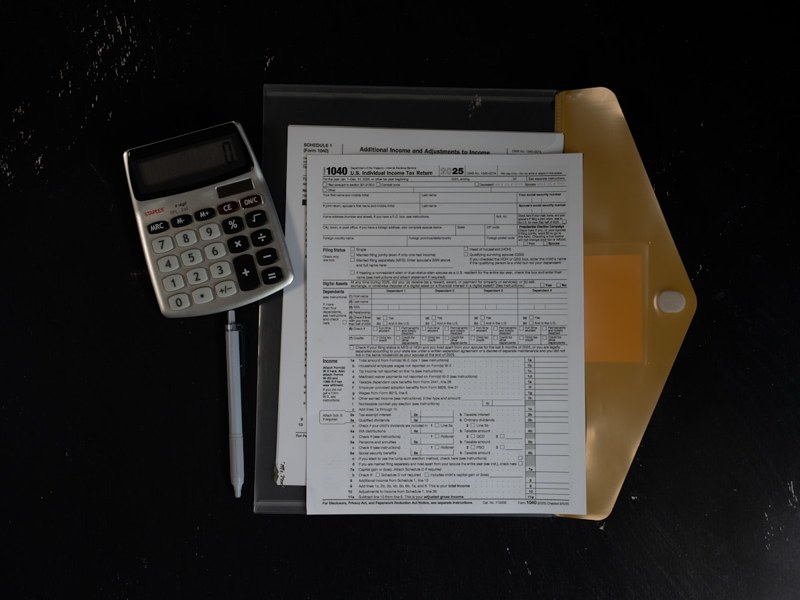
If your company already holds an EDG approval, the launch of EDGE does not mean you should rename the project or rebuild the claim around the new scheme. Start with the original approval and its conditions. Keep the existing project file separate from any new EDGE proposal.
Raffles Corporate Services works with a panel of experienced Singapore law firms who offer cost-effective and efficient legal service and advice. This article is general information only and is not legal advice.
Enterprise Singapore’s EDG transition notice says applications closed on 29 September 2026, while existing applications, ongoing projects and claims continue to be processed. The new EDGE scheme launched on 30 September 2026.
Identify the approval your company actually holds
Locate the Letter of Offer, acceptance record, approved scope, qualifying expenditure and project dates. Confirm the applicant entity and the person responsible for the grant account. A consultant’s summary or an old presentation is not a substitute for the approved documents.
Mark the file with the scheme and project reference. Keep a separate chronology showing what was approved, what changed and what the agency accepted. If correspondence appears inconsistent with the offer, seek clarification using the correct project reference.
Do not replace the approved budget with an EDGE calculator
A finance team may be tempted to apply new rates or caps to every outstanding grant. That can create an unsupported receivable. Reconcile the existing project against its own approved amount and conditions. Assess any new EDGE project separately.
Example: one digital project, two folders
A company has an approved EDG transformation project and is considering a separate new activity. The older project’s consultant invoices belong in the legacy claim file. The new proposal needs its own scope, quotations and eligibility review. Do not move an old invoice into the new folder because the new scheme appears more attractive.
Build a legacy claim checklist from the actual offer
- Approved deliverables and evidence of their completion.
- Invoices addressed to the correct applicant.
- Payment records linked to each expense.
- Required reports, certifications or other supporting documents.
- Project and claim deadlines stated in the applicable documents.
- Any approved changes and the agency’s written responses.
For each requirement, record the document held, the missing item and the responsible person. Avoid an empty tick box labelled “complete” when the evidence sits only in a former employee’s inbox.
Keep the accounting file aligned with the claim file
The ledger should allow the finance team to identify approved project costs without assuming that every cost will be reimbursed. Record disallowed or uncertain items separately. Reconcile supplier credits and adjustments before finalising the claim or the accounting treatment.
Ask the accountant to consider the applicable recognition requirements and evidence. Grant approval, cash receipt and the accounting recognition date can be different events. Keep the reasoning supporting the treatment, particularly where a reporting date falls before the claim outcome.
Resolve an unclear deadline before it becomes urgent
If the company cannot locate an important condition or believes it cannot complete the approved project, raise the issue promptly through the relevant official channel. Do not assume a new scheme’s extension process applies to a legacy approval. Preserve the request and response in the project file.
Does EDGE replace an existing EDG Letter of Offer?
Do not assume that it does. Work from the existing approval and any subsequent official instructions for that project.
Can the same old invoice support a new application?
Review the applicable rules and the original funding. A new scheme name does not make previously supported expenses new expenditure.
Related guidance
Read our guides to grant record keeping and accounting for government grants, or explore our business grant resources.
Help with the company’s grant records and contracts
Raffles Corporate Services can help organise supporting records and review the accounting implications of a proposed project. For advice about contractual obligations, we can arrange assistance through our associated law firms. Email [email protected] or WhatsApp +65 8501 7133. Applications and claims must be submitted by the applicant company’s own authorised staff through the prescribed process; our support does not guarantee grant approval.