
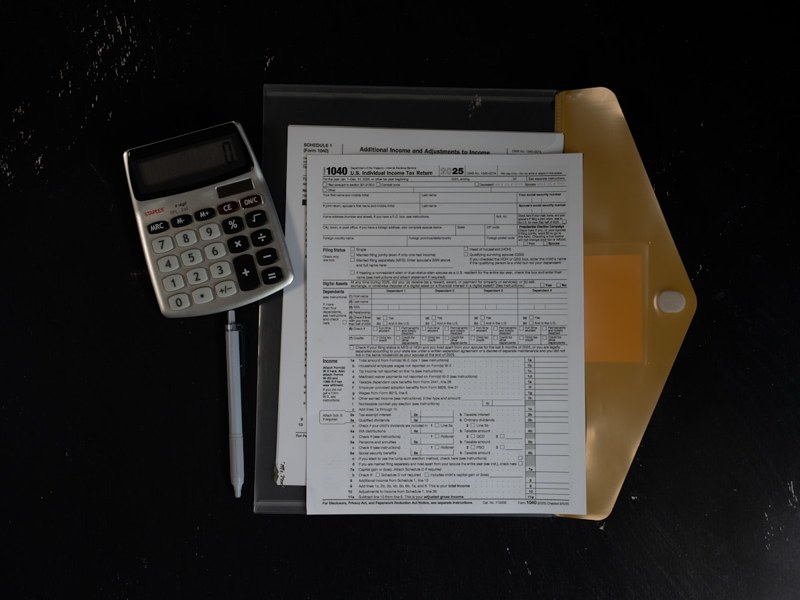
Singapore holding company tax optimisation works by routing regional dividends and profits through a Singapore holding entity that can receive qualifying foreign-sourced dividends tax-free and pay them onward efficiently, provided the group meets the conditions IRAS applies to the foreign-sourced income exemption.
Raffles Corporate Services works with a panel of corporate and employment law firms; this article is general information, not legal advice. A Singapore holding company is not automatically tax-efficient simply because it sits in Singapore. Whether it actually optimises your group’s tax position depends on where your operating subsidiaries are, what the foreign tax rates look like, and whether you can meet the substance requirements IRAS increasingly expects. This guide walks through the decision methodically.
What a Singapore holding company structure actually does
In its simplest form, a Singapore holding company sits above one or more operating subsidiaries in other countries, collects dividends from those subsidiaries, and either retains the cash, reinvests it into new subsidiaries, or distributes it to the ultimate shareholders. The tax optimisation comes from two mechanisms working together: Singapore’s Foreign-Sourced Income Exemption (FSIE) regime, which can exempt qualifying foreign dividends from Singapore tax on receipt, and Singapore’s network of more than 100 double tax agreements, which can reduce withholding tax leakage at the subsidiary level before the dividend is even paid up.
Who this is for
This decision tree is aimed at Singapore SMEs and groups managing tax and accounting compliance across more than one jurisdiction: a Singapore-based owner with operating subsidiaries in Southeast Asia, a family business consolidating regional operations under one holding entity, or a group preparing for an eventual exit or investment round that wants a clean holding structure above several operating companies. It is not the right tool for a single-country business with no cross-border dividend flows; for that business, a holding company simply adds a compliance layer with no offsetting tax benefit.
Eligibility and requirements
The Foreign-Sourced Income Exemption under Section 13(8) of the Income Tax Act 1947 exempts specified foreign income, including foreign-sourced dividends, foreign branch profits and foreign-sourced service income, received by a Singapore tax resident company, subject to three conditions:
- The foreign headline corporate tax rate in the country the income was derived from must be at least 15% at the time the income is received in Singapore (“subject to tax” condition);
- The income must have already been subject to tax in that foreign country;
- IRAS must be satisfied that the exemption is beneficial to the Singapore resident receiving it.
Groups should also be aware of Section 10L of the Income Tax Act 1947, which from 1 January 2024 brought certain foreign-sourced gains on the disposal of assets, including shares in foreign subsidiaries, within the Singapore tax net unless the disposing entity meets an economic substance test. A holding company that plans to eventually sell down subsidiary shares, not just collect dividends, needs to plan its substance in Singapore with Section 10L in mind from day one, not retrofit it before a sale.
Cost and timeline
- Incorporating the holding company and setting up statutory registers: S$2,500 to S$5,000 including first-year corporate secretarial fees;
- Restructuring existing subsidiary shareholdings to sit under the new Singapore holding company: typically 6 to 12 weeks per jurisdiction, depending on local regulatory approvals and any stamp duty or capital gains implications in the subsidiary’s home country;
- Ongoing annual compliance: Form C-S/C corporate tax filing, XBRL-format financial statements where applicable, and an annual review of whether the FSIE conditions still hold for each dividend stream;
- Economic substance build-out, if Section 10L planning is relevant: budget for at least one Singapore-based director or manager with real decision-making authority, plus a registered office and, in most cases, a genuine operating presence rather than a nominee-only shell.
Step-by-step process
- Map your group’s dividend flows and confirm the headline corporate tax rate in each subsidiary jurisdiction, since anything below 15% will not automatically qualify for FSIE.
- Incorporate the Singapore holding company with a resident director and company secretary appointed under the Companies Act 1967.
- Transfer or issue subsidiary shares to the new holding company, checking local transfer restrictions, stamp duty and any foreign investment approval requirements in each subsidiary’s jurisdiction.
- Apply for a Certificate of Residence from IRAS each year the holding company wants to claim treaty benefits on inbound dividends or interest, since foreign tax authorities will usually ask for this before applying a reduced withholding rate.
- Build genuine substance: board meetings actually held in Singapore, real decision-making documented in board minutes, and a Singapore-based finance or management function commensurate with the size of the group.
- File annual returns confirming the FSIE conditions are still met for each dividend stream received that year, and retain evidence of the foreign tax paid.
Common mistakes and gotchas
- Assuming FSIE applies automatically to all foreign dividends. It does not; the 15% headline rate test and the “subject to tax” condition must both be met, and IRAS can and does query these on audit.
- Setting up a Singapore holding company with no local substance at all, expecting it to survive scrutiny purely on paper. Both IRAS and the increasing number of jurisdictions with substance requirements of their own are less tolerant of pure letterbox holding structures than they were a decade ago.
- Overlooking Section 10L when the eventual plan is to sell a subsidiary, not just collect dividends from it. Gains on such a sale may now be taxable in Singapore if the holding company lacks adequate economic substance at the time of disposal.
- Failing to renew the Certificate of Residence annually, which can cause a foreign payer to withhold tax at the full domestic rate instead of the reduced treaty rate, creating a cash-flow drag that then has to be recovered by a refund claim.
- Ignoring GST and stamp duty consequences of restructuring share ownership when moving subsidiaries under the new holding company; these are separate from the income tax analysis and are easy to miss.
Key numbers at a glance
| Item | Typical figure (2026) |
|---|---|
| FSIE headline tax rate threshold | At least 15% in the source country |
| Singapore standard corporate tax rate | 17%, before partial exemption |
| Double tax agreements in force | More than 100 treaty partners |
| Incorporation plus first-year corp sec | S$2,500 to S$5,000 |
| Subsidiary restructuring per jurisdiction | 6 to 12 weeks |
| Form C-S/C filing deadline | 30 November following the year of assessment |
Decision tree: should you choose this
- Do you have operating subsidiaries in at least one jurisdiction with a headline corporate tax rate of 15% or higher? If not, FSIE benefits on dividends from that subsidiary are unlikely, and a Singapore holding company adds compliance cost without the main tax benefit.
- Can you commit to genuine Singapore substance, board meetings, and real decision-making here, rather than a paper-only entity? If not, both the FSIE exemption and any future Section 10L disposal gain exemption are at risk.
- Do you expect to eventually sell a subsidiary rather than only collect dividends from it? If yes, build Section 10L substance planning in from the start rather than retrofitting it before a sale process.
- Is your group large enough that the annual compliance cost of a holding company, IRAS filings, Certificate of Residence renewals, is proportionate to the tax saved? For a small group with modest dividend flows, the saving may not clear the compliance hurdle.
If your subsidiaries sit in higher-tax jurisdictions, you can commit real substance to Singapore, and your group is large enough to justify the ongoing compliance, a Singapore holding company is very likely worth setting up. If your operations are concentrated in low-tax jurisdictions or you cannot commit genuine substance, the structure may cost more in compliance than it saves in tax.
Related guides
For the supporting tax file, also review Singapore Tax Residency for Companies (2026): The Control and Management Test Explained; Tax Residency Certificate (COR) Singapore 2026: Application Guide and Treaty Benefits.
For the corporate secretarial and ACRA compliance obligations a holding company must keep current, see Corporate secretarial and ACRA compliance on our sister site Singapore Secretary Services, and specifically our guide on declaring dividends in Singapore. If the holding company structure involves relocating group management or restructuring the employing entity, our associated employment agency’s guidance on work pass implications when an employer entity changes is directly relevant. On the tax mechanics of the exemption itself, see our own guide to the Foreign-Sourced Income Exemption under Section 13(8).
FAQs
Is a Singapore holding company automatically tax-free on foreign dividends?
No. The dividend must meet the FSIE conditions under Section 13(8) of the Income Tax Act 1947, including the 15% headline foreign tax rate test, before it can be exempt.
What happens if my subsidiary is in a jurisdiction with a corporate tax rate below 15%?
The dividend will generally not qualify for FSIE and will be taxable in Singapore on receipt, though a tax credit for any foreign withholding tax already paid may still be available under Section 50.
Does Section 10L affect dividend income or only disposal gains?
Section 10L targets gains from the disposal of foreign assets, including shares in subsidiaries, not the dividend income itself, but it matters if your holding structure will eventually sell down a subsidiary.
Do I need a resident director for a Singapore holding company?
Yes. Under the Companies Act 1967, every Singapore-incorporated company, including a pure holding company, must have at least one director who is ordinarily resident in Singapore.
How often should I renew my Certificate of Residence?
Generally annually, and before any dividend or interest payment where the paying jurisdiction requires proof of Singapore tax residency to apply a reduced treaty withholding rate.
For the statutory basis of the exemption regime, see IRAS; for company constitution and structure requirements, see ACRA; and for broader fiscal policy context relevant to holding structures, see the Ministry of Finance.
Need help with this? Call, SMS or WhatsApp +65 8501 7133, or email [email protected]. Raffles Corporate Services works with a panel of corporate and employment law firms; this article is general information, not legal advice.