
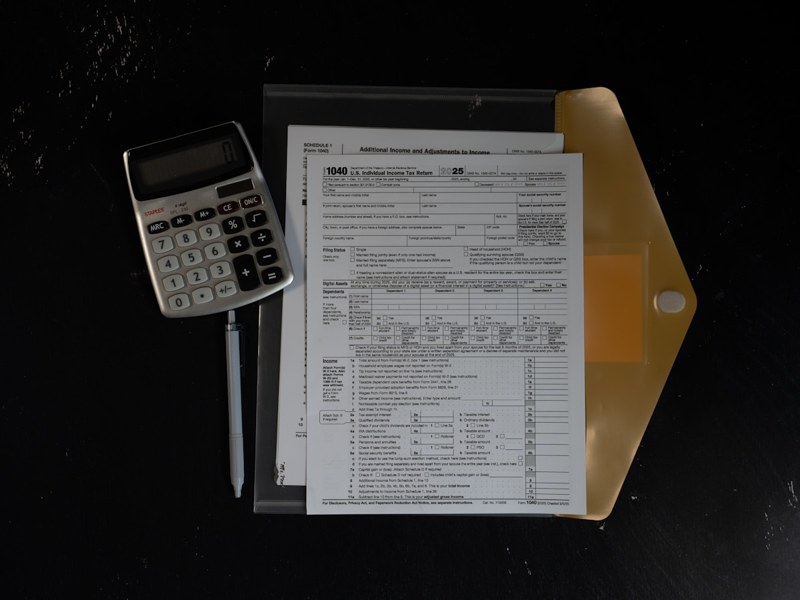
An IRAS bad-debt query should be answered with a clear reconciliation and genuine evidence supporting the treatment claimed. Locate the request, the relevant year and the exact deduction in the tax computation. Do not recreate collection letters or backdate an approval to make the file appear complete.
Raffles Corporate Services works with a panel of experienced Singapore law firms who offer cost-effective and efficient legal service and advice. This article is general information only and is not legal advice.
Identify the tax treatment actually used
IRAS’s guidance on impairment losses on trade debts distinguishes the applicable accounting and tax regimes, including FRS 109 and earlier treatments where relevant. It also requires supporting documents to be retained and supplied on request. A ledger label alone does not establish the deduction.
Ask the tax preparer to identify the framework, the nature of the debt and the computation adjustment. Our guide to provisions and irrecoverable receivables provides accounting context; the response should explain this company’s actual claim.
Reconcile the balance before writing the explanation
| Question | Useful evidence |
|---|---|
| How did the debt arise? | Contract, invoices and delivery or service records |
| What remains unpaid? | Customer ledger, bank receipts and allocation history |
| Why was it impaired or written off? | Contemporaneous assessment and approval |
| What recovery occurred? | Correspondence, settlements and later receipts |
| What was claimed? | Accounts-to-tax computation bridge |
Identify credit notes, disputed invoices, deposits and receipts posted to another account. If the debt includes different components, explain them separately. A shareholder loan should not be described as a customer trade debt merely because both sit in receivables.
Present the recovery history honestly
Create a chronology identifying original documents by date. Distinguish reminders sent during the relevant period from later attempts. If staff discussed recovery informally and no written note survives, explain that limitation rather than producing a document purporting to have been written earlier.
For example, a company claims a deduction and later receives part of the balance through an instalment settlement. Give the adviser both the original assessment and later receipts. Ask whether a recovery or reversal needs a tax adjustment; do not omit it because the original year is under review.
Keep income tax and GST relief separate
A corporate income tax deduction and GST bad-debt relief have different conditions and reporting consequences. State which claim IRAS is asking about and reconcile the gross receivable, GST and net amount. Evidence supporting one treatment should not be presented as automatic proof of the other.
Organise a complete response
Use the deadline and submission channel in the actual request. Index the supporting documents and answer each question directly. If more time or clarification is needed, raise it through the appropriate channel promptly. Keep the submitted version and delivery acknowledgement with the tax file.
If the review reveals an error, have the tax adviser assess the proper correction. The aim is an accurate explanation of the real history and treatment, including identified gaps.
For related company questions, see our tax and GST guides.
Get help with an IRAS receivables query
For accounting, tax or corporate records support, email [email protected] or WhatsApp +65 8501 7133. Tell us which company is involved, what has happened and the next deadline. We can help organise the records and coordinate the appropriate specialist review.
Kevin Yeo, Raffles Corporate Services