
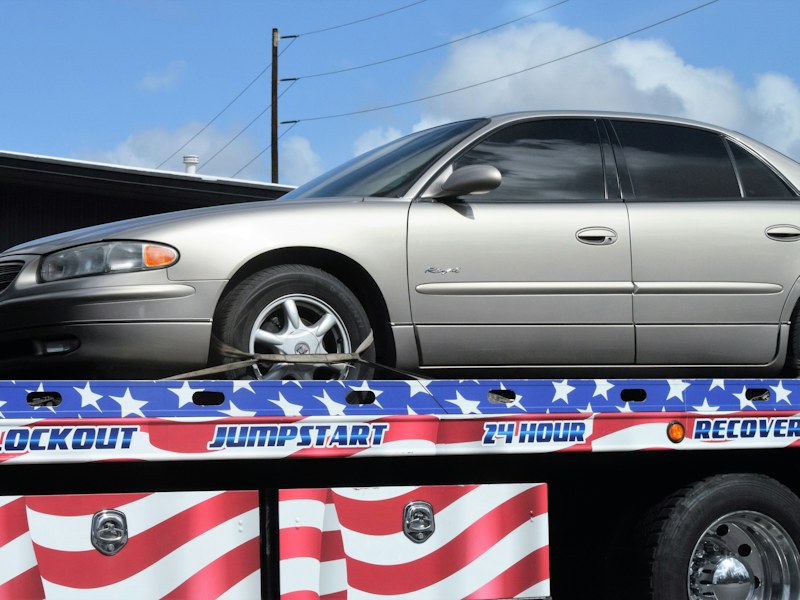
Short answer: The Hire-Purchase Act 1969 protects a company only if its agreement is a “regulated agreement”: in practice, a motor vehicle worth up to S$55,000 excluding COE. The financier must then give 7 business days’ written notice before repossessing, and the company can reinstate, settle or claim any surplus. Business equipment and pricier vehicles depend on the contract.
Hire purchase repossession in Singapore usually starts with a missed instalment or two on the delivery van, the director’s car or a machine, then a letter from the finance company. This guide explains what the Hire-Purchase Act 1969 covers, why many company hirers fall outside it, the notices a financier must serve, your company’s rights after the goods are taken, and what to prepare for your accountant and law firm.
Key facts at a glance
- The Act’s repossession protections (sections 15 to 19) apply only to “regulated agreements”: hire-purchase or conditional sale agreements for goods listed in the First Schedule (section 2(1)).
- The First Schedule covers consumer goods up to S$20,000 including GST (goods for personal, family or household use, not business) and motor vehicles up to S$55,000 including GST and duties but excluding the COE.
- Before repossessing for unpaid instalments, the owner must serve a Fourth Schedule notice giving at least 7 business days (section 15(1)), unless it can prove the goods were about to be removed or concealed (section 15(2)).
- Within 7 business days after repossession, the owner must serve a Fifth Schedule notice on the hirer and every guarantor, or its rights under the agreement end (section 15(3) and (6)).
- The hirer then has 7 business days to demand the goods back, introduce a cash buyer, settle early or give notice of a surplus claim (sections 13, 17 and 18).
- The current Act has no rule requiring a court order once a set proportion of the price has been paid.
Raffles Corporate Services works with a panel of experienced Singapore law firms who offer cost-effective and efficient legal service and advice. This article is general information only and is not legal advice.
What does hire purchase repossession in Singapore mean for a company?
Under a hire-purchase agreement the finance company (the “owner”) keeps title, and your company (the “hirer”) pays instalments and becomes owner only at the end. If the company defaults, the owner can take the goods back, and the Act controls how only for regulated agreements.
The Hire-Purchase Act 1969 defines a hire-purchase agreement as one where goods are hired out for periodic payments and property passes to the hirer if the terms are met, for example when it exercises an option to purchase (section 2(1)). Conditional sale agreements are treated the same way. The current Act applies to agreements made on or after 1 September 2012 (section 1(2)). “Court” in the Act means a Magistrate’s Court or a District Court (section 2(1)).
Does the Hire-Purchase Act protect a company hirer?
Only partly, and often not at all. The protections on statements, early completion, return of goods and repossession attach to “regulated agreements”, and most company equipment falls outside that definition.
| What your company is financing | Regulated? | Why |
|---|---|---|
| Machinery, IT, kitchen or other business equipment | No | The First Schedule covers “consumer goods” only: goods bought for personal, family or household purposes, not for a trade or business |
| Motor vehicle worth S$55,000 or less (including GST and import and excise duty, excluding the COE) | Yes, on the Schedule’s wording | The motor vehicle item is not limited to consumer use, so a company car, van or lorry within the cap can qualify |
| Motor vehicle above that cap | No | Outside the First Schedule; the contract governs |
| Goods hired by a business that trades in the same kind of goods, such as a motor dealer | No | Expressly excluded (section 2(1)) |
| Rental, operating lease or finance lease with no option or right to buy | No | Not a hire-purchase agreement, because property never passes |
Put plainly: if your agreement is not regulated, sections 8 and 13 to 19 do not apply, and the financier’s rights to terminate, repossess and sue for a shortfall come from the agreement and general contract law. Part 3 of the Act still applies to every hire-purchase agreement, implying terms that the owner can pass title, that the goods match their description and that goods let in the course of a business are of satisfactory quality (sections 6, 6A and 6B).
Watch the label as well as the value. A “lease” that lets the company buy at the end can be a hire-purchase agreement, and linked agreements that together give a right to buy are treated as one (section 2(3)). For true leases, see our guide to FRS 116 leases for SME lessees.
What notice must the financier give before repossessing?
For a regulated agreement in arrears, the owner must serve a written notice of intention to repossess in the Fourth Schedule form and wait until the period in it, at least 7 business days after service, has expired (section 15(1)). Business days exclude Saturdays, Sundays and public holidays.
The notice states the arrears, interest on overdue instalments, other sums owing and the amount paid so far; paying the stated sums by the date given stops the repossession. Service is valid if delivered personally, left at the company’s place of business with an apparent employee aged 16 or over, or sent by registered post to the last known business address (section 45).
- Exception: the owner may skip the notice if it has reasonable grounds to believe the goods will be removed or concealed, but it must prove those grounds (section 15(2)).
- Entry onto premises: a term allowing entry to repossess otherwise than in accordance with the Act is void (section 33(e)).
- No proportion-paid rule: the Act in force on 4 November 2026 has no provision requiring a court order once part of the price is paid. Separately, an owner may apply to court for an order to deliver up goods detained without just cause (section 44).
On repossession, the owner must give or immediately send the company a receipt describing the goods and the date, time and place they were taken (section 15(4) and (5)).
What should your company do when a repossession notice arrives?
Act within the 7-business-day window, starting with whether the agreement is regulated, because that decides which rules apply.
- Record when and how the notice was served, and count 7 business days.
- Pull the agreement, the pre-contract statement and the payment history, and check the vehicle’s value against the S$55,000 cap.
- If records are missing, ask the owner in writing for a copy of the agreement and a statement of amounts paid, overdue and still to fall due. For a regulated agreement it must reply within 7 business days, and cannot enforce the agreement or recover the goods while in default without reasonable cause (section 8).
- Reconcile the arrears and interest in the notice to your ledger.
- Decide at board level whether to pay, renegotiate in writing, settle, return the goods or let repossession proceed, and minute the decision.
- If the owner asks in writing where the goods are, answer within 7 business days. Not answering, or answering falsely, is an offence with a fine of up to S$5,000, up to 12 months’ imprisonment, or both (section 36).
- Do not sell, move or hide the goods. Defrauding the owner this way carries a fine of up to S$5,000, up to 3 years’ imprisonment, or both (section 37).
- Tell any director who gave a personal guarantee; a guarantor stays liable after repossession (section 20(2)). See our guide to personal guarantees.
- If the figures are disputed, speak to a lawyer before the window closes.
What rights does the company have after the goods are taken?
For a regulated agreement, the company has 7 business days after the Fifth Schedule notice to get the goods back, nominate a cash buyer, settle in full or give notice of a surplus claim.
The Fifth Schedule notice sets out the owner’s estimates of the reinstatement amount, the settlement amount and the value of the goods. Without the hirer’s written consent, the owner cannot sell or part with the goods until 7 business days after serving it or, if the hirer has asked for redelivery, until the time to pay has expired, whichever is later (section 16).
| Right | What the company must do | Source |
|---|---|---|
| Reinstate | Give written notice requiring redelivery within 7 business days of the Fifth Schedule notice, then within 7 business days pay arrears, remedy breaches (or pay their cost) and pay reasonable repossession and return costs | Sections 17(1)(a)(i) and 18 |
| Cash buyer | Within the same window, require a sale to a buyer the company introduces at not less than the owner’s estimated value | Section 17(1)(a)(ii) |
| Settle early | Pay the net balance due plus reasonable repossession, storage, repair or maintenance costs within 7 business days of the Fifth Schedule notice | Section 13(2)(b) |
| Recover surplus | Where the value of the goods plus what was paid exceeds the net amount payable, give written notice of the amount and value claimed within 7 business days of the Fifth Schedule notice, and sue within 3 months after giving it | Section 17(1)(b) and (5) |
| Reopen a harsh deal | Start proceedings within 4 months after the Fifth Schedule notice | Section 32 |
The same arithmetic caps the owner: it cannot recover any sum that, added to the value of the goods and what the hirer paid, exceeds the net amount payable (section 17(2)). “Value” is the best price reasonably obtainable at repossession, or the price paid by the company’s buyer, less reasonable repossession, storage, repair and sale costs; if the owner sold the goods, it must prove the price was the best reasonably obtainable (section 17(3) and (4)). The court may extend these time limits on application (section 43).
What about early settlement rebates?
A regulated hirer may complete the purchase at any time by written notice and payment of the “net balance due” (section 13(1)), but the Act sets no rebate formula. Instead, the Second Schedule requires the owner to explain before signing how the early settlement balance is calculated, with an example, plus any early settlement fee and notice period. Check that statement before asking for a quote.
What documents will you need?
Gather the contract set and the payment trail; most disputes turn on the figures.
| Document | Why it matters |
|---|---|
| Hire-purchase agreement and any side agreements | Whether it is hire purchase, whether it is regulated, and the default terms |
| Pre-contract statement (Second Schedule) | Cash price, interest, fees and the early settlement method |
| Dealer invoice and vehicle and COE details | Proves value for the S$55,000 test |
| Fourth and Fifth Schedule notices and the repossession receipt, with postal records | Fix the 7-business-day periods and the owner’s figures |
| Bank statements and the hire-purchase liability ledger | Reconcile instalments, arrears and interest |
| Independent valuation or dealer quotes | Support a cash buyer or surplus claim |
| Directors’ guarantees, resolutions and fixed asset register extract | Who is exposed, what the board decided, and the book value |
How long does it take, and what does it cost?
For a regulated agreement the periods are fixed by the Act in business days. The Act sets no fees; costs come from the owner’s repossession charges and your professional fees.
| Stage | Timing | Cost and assumptions |
|---|---|---|
| Notice of intention to repossess | At least 7 business days after service | Paying the sums in the notice stops repossession |
| Fifth Schedule notice | Within 7 business days after repossession | Owner’s estimates of reinstatement and settlement amounts |
| Redelivery, cash buyer or early settlement | Notice within 7 business days of the Fifth Schedule notice; reinstatement payment within 7 business days of the redelivery notice | Arrears plus reasonable repossession, storage, repair and redelivery costs |
| Surplus claim | Notice within 7 business days of the Fifth Schedule notice; proceedings within 3 months after the company’s notice | Court and solicitors’ fees, quoted by the law firm |
| Reopening application | Within 4 months after the Fifth Schedule notice | Solicitors’ fees, quoted by the law firm |
Assumptions: a regulated agreement made on or after 1 September 2012, served at a Singapore business address. Outside the Act, timing and costs follow the contract. Court and solicitors’ fees are not quoted here because they vary with the claim.
What does the company secretary or accountant do, and what does the solicitor do?
Your company secretary and accountant keep the decision trail and the accounts right. A Singapore Advocate and Solicitor advises on whether the agreement is regulated and the notices valid, and conducts any court proceedings.
| Company secretary or accountant | Singapore Advocate and Solicitor |
|---|---|
| Directors’ resolution to pay, settle, return or contest | Advice on regulated status and notice validity |
| Reconciliation of arrears and settlement figures | Section 17 surplus notice and proceedings |
| Fixed asset register: remove the asset’s cost and accumulated depreciation | Section 32 application to reopen the transaction |
| Journals clearing the hire-purchase liability and recording any shortfall, surplus and gain or loss | Defending a shortfall claim or section 44 application |
| Capital allowance adjustments in the tax computation | Negotiating and documenting a settlement |
On tax, IRAS gives capital allowances on hire-purchase assets based on the deposit and principal paid, and requires a balancing allowance or charge when an asset on which allowances were claimed is sold or written off. No allowances are available on an S-plated private passenger car. See our guides to the fixed asset register and company car tax, and the free tools for year-end numbers. No ACRA lodgement is normally needed for a repossession, but the loss and any claim must be reflected in the next financial statements. If the financier sues, read our guide for when your company has been sued.
Raffles Corporate Services does not give legal advice or act in court; court proceedings are conducted by a Singapore Advocate and Solicitor from our panel of law firms.
What are the common mistakes?
Most losses come from assuming the Act applies when it does not, or missing a 7-business-day window when it does.
- Assuming all company assets are protected. Business equipment is not consumer goods, and vehicles above the cap are outside the Act.
- Ignoring registered post at the business address, which is valid service.
- Letting the Fifth Schedule window lapse, which ends the rights to reinstate, nominate a buyer or claim surplus.
- Moving or selling the goods to keep them from the financier.
- Leaving the repossessed asset and its liability in the books.
- Forgetting the director’s personal guarantee.
Frequently asked questions
Can a financier take our company van without warning?
Under a regulated agreement, not for unpaid instalments unless it served a Fourth Schedule notice and at least 7 business days passed, or it can prove the goods were about to be removed or concealed. Otherwise, the contract decides.
Our company car cost more than S$55,000. What protects us?
If its value including GST and duties, excluding COE, exceeds S$55,000, the agreement is not regulated and the Act’s notice and post-repossession rights do not apply. Read the default and termination clauses now.
Is an equipment finance lease covered?
Not unless it gives an option or right to buy, making it hire purchase. Even then, business equipment is not consumer goods, so the repossession protections would not apply.
Can the company simply return the goods?
Under a regulated agreement, yes. The owner can then recover only the lower of what the agreement requires on termination and what it could have recovered by repossessing that day (section 14).
Need help with this?
Raffles Corporate Services can handle the ACRA filings, compliance documentation and records for you, and where court proceedings or legal advice are needed, we work with a panel of experienced Singapore law firms who offer cost-effective and efficient legal service and advice.
Email: [email protected]
Call, SMS or WhatsApp: +65 8501 7133
Last reviewed: 4 November 2026. The Editorial Team, Raffles Corporate Services.