
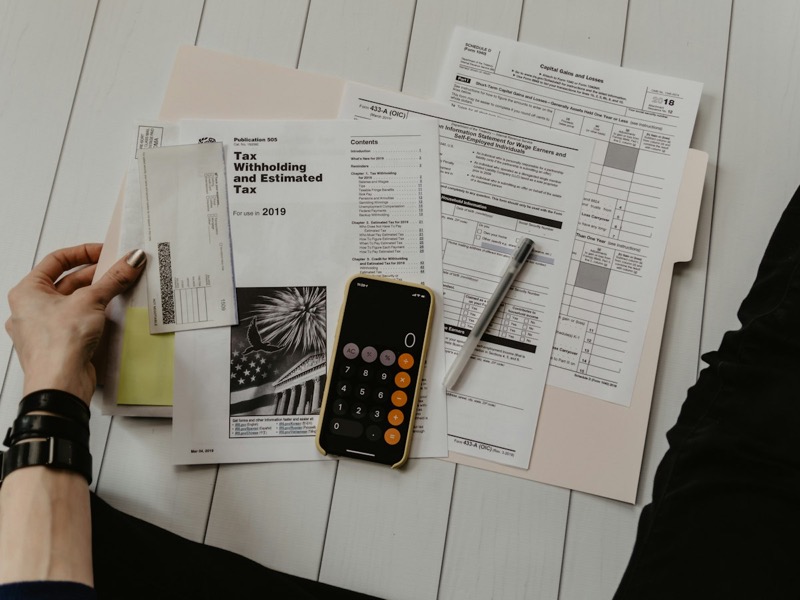
If a company tax GIRO deduction fails, act the same day. IRAS tries the instalment on the 6th of the month and, according to its GIRO page, tries again on the 20th. If both attempts fail, the arrangement is cancelled and the unpaid tax becomes payable at once. Top up the account, reactivate the plan on myTax Portal if it has been cancelled, or pay the balance directly, so that a missed instalment does not become a 5% late payment penalty.
Raffles Corporate Services works with a panel of experienced Singapore law firms who offer cost-effective and efficient legal service and advice. This article is general information only and is not legal advice.
What happens when a company tax GIRO deduction fails?
IRAS describes the process on its corporate income tax GIRO page. Deductions are made on the 6th of each month. If the first attempt fails, a second deduction is attempted on the 20th. If both attempts fail, the GIRO arrangement is cancelled. When the date falls on a weekend or public holiday, the deduction takes place on the next working day.
IRAS’s page on late or non-payment of corporate income tax is stricter in tone. It says that if a deduction fails because of insufficient funds or an incorrect payment limit, IRAS cancels the plan, the unpaid balance becomes immediately due and payable, and you may incur a penalty if you do not settle it promptly. Because the two pages are worded differently, the safe approach is to treat a failure on the 6th as urgent and fix it before the 20th, not to rely on the second attempt.
Your bank may also charge a fee for a failed deduction, so a rejected instalment can cost money even if the plan survives.
What are the usual reasons a deduction fails?
- The account balance was below the instalment on the 6th, often because a customer paid late.
- The bank’s GIRO payment limit was set below the instalment amount.
- The company changed bank accounts and the old account was closed without updating IRAS.
- The account was frozen, for example after IRAS or another creditor appointed the bank as agent.
- A revised ECI or revised assessment increased the instalments and nobody checked the new schedule.
The last two deserve attention. If a bank account has been affected by an agent appointment, see our guide on what it means when IRAS appoints your bank as its agent.
What should we do on the day a deduction fails?
- Confirm the failure. Check the bank statement and the plan under Account, then View GIRO Plan on myTax Portal.
- Fund the account before the 20th. If the plan is still active, a successful second attempt keeps the arrangement alive. Make sure the balance and the bank limit cover the instalment.
- Check the status after the 20th. If the plan shows as cancelled, do not wait for a notice.
- Reactivate or pay. IRAS says you can reactivate a previous GIRO set-up through Apply/Manage GIRO Plan on myTax Portal, or pay the full outstanding tax through its payment channels.
- Diarise the original due date. The one-month date on the Notice of Assessment still governs the 5% penalty, so check where you stand against it.
- Record the cause. Note why it failed and what has changed, in case you later need to explain the position to IRAS.
How quickly does reactivation work?
IRAS states that re-activating a previous GIRO through myTax Portal takes effect on the next working day. A brand new online application through myTax Portal, internet banking or AXS takes up to 3 working days, and a hardcopy application up to 3 weeks. IRAS also says your GIRO application must be approved before the payment due date to avoid the 5% late payment penalty.
| Situation | What IRAS says | Practical step |
|---|---|---|
| First deduction on the 6th fails | A second attempt is made on the 20th | Top up the account at once |
| Both attempts fail | The GIRO arrangement is cancelled | Pay in full or reactivate |
| Plan cancelled, previous set-up usable | Reactivation through myTax Portal, next working day | Reactivate before any due date passes |
| Changed bank account | Cancel the current plan first, then apply for the new account | Do not close the old account first |
| Repeated defaults | IRAS may reject future payment arrangement requests | Fix cash flow before applying again |
Can we still get a longer plan if the company is struggling?
IRAS says that if you face difficulty paying, you may apply for a longer payment plan through the Apply/Manage GIRO Plan service. If a plan is approved you must follow its schedule, otherwise it is cancelled and penalties or recovery action can follow. IRAS decides each request, and repeated defaults can lead it to reject future requests. A company that has already failed once should present a realistic schedule it can meet, not an optimistic one.
For the wider picture on penalties and other options, read our guide to late payment penalties and payment plans for company tax. The same issue arises with GST, covered in our article on GIRO plans for GST.
Example: a plan that fails during a slow quarter
Example (hypothetical): A small trading company files its first ECI promptly and sets up a monthly GIRO instalment plan. Two instalments are paid. In the third month, a large customer pays late and the account is short on the 6th. The finance manager sees the bank alert on the 8th and arranges a recorded director’s loan into the account on the 10th, well before the 20th. The second attempt succeeds and the plan continues. In a different version, the shortfall goes unnoticed until the 22nd. The plan has been cancelled, so the company reactivates the previous set-up on myTax Portal and checks the schedule against the assessment date.
How many instalments can a company have in the first place?
This is set at the start and affects how heavy each instalment is. IRAS says only Singapore-registered companies are eligible, no instalments are granted for back-year taxes, and the number depends on how early the first ECI is e-filed after the financial year end.
| When the first ECI is e-filed | Instalments available |
|---|---|
| Within 1 month of financial year end | 10 |
| Within 2 months | 8 |
| Within 3 months | 6 |
| After 3 months | None |
Each monthly deduction must be at least $50. Filing ECI early therefore gives the company smaller, easier instalments. Our compliance calendar shows where ECI sits among other deadlines.
Documents and records checklist
- Notice of Assessment showing the due date and amount
- myTax Portal screenshot of the GIRO plan and its status
- Bank statements showing the failed deduction and any bank fee
- Bank confirmation of the GIRO payment limit
- Cash flow forecast supporting any request for a longer plan
- Board note recording who monitors the account before the 6th each month
Frequently asked questions
Is the plan cancelled after one failed deduction?
IRAS’s GIRO page says cancellation follows when both the 6th and 20th attempts fail, while its late payment page says a failed deduction from insufficient funds or an incorrect limit leads to cancellation. Treat the first failure as serious and fund the account immediately.
Does cancellation add a penalty by itself?
IRAS says the unpaid balance becomes immediately due and payable and a penalty may arise if you do not settle it promptly. The 5% late payment penalty is linked to the payment due date, so check that date as well.
Can a director pay the instalment personally?
Funds can be put into the company’s account, usually as a recorded director’s loan, so the deduction goes through. Record the transfer properly in the books.
Can we change the instalment plan later?
IRAS says you can change the number of monthly instalments or switch between monthly instalments and a one-time yearly deduction. The change replaces the existing plan.
What if the bank account is changed?
Cancel the current plan first, then apply for the new account. IRAS sets out different steps for banks with instant eGIRO and for others.
Need help with company tax payment arrangements?
Raffles Corporate Services can prepare and file your ECI and tax computations, review your assessment and instalment schedule, and coordinate with your accountant and bank on payment dates. Email [email protected] or WhatsApp +65 8501 7133. IRAS decides all payment arrangements, and this article is general information only.
Kevin Yeo, Raffles Corporate Services