
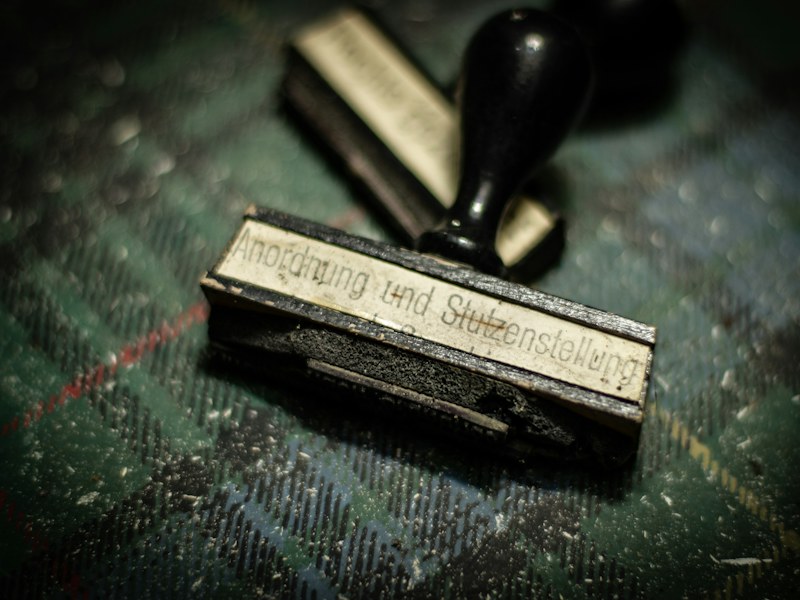
When a Singapore company needs to use its documents overseas, for example to open a foreign bank account, register a branch, sign a property deal or prove who its directors are, the foreign recipient often asks for them to be “notarised and apostilled”. In Singapore this usually means two steps. First, a Notary Public certifies the document or the signatures on it and issues a notarial certificate. Second, the Singapore Academy of Law (SAL) authenticates the notary’s certificate, which since 16 September 2021 is done by affixing an Apostille, because Singapore has joined the Hague Apostille Convention. For countries that are not party to the Convention, the document may also need legalisation by that country’s embassy. Always ask the recipient exactly what it needs before starting.
Raffles Corporate Services works with a panel of experienced Singapore law firms who offer cost-effective and efficient legal service and advice. This article is general information only and is not legal advice.
This guide is for directors, company secretaries and foreign owners of Singapore companies.
Which route applies?
| Destination country | Usual steps |
|---|---|
| Party to the Apostille Convention | Notary Public certifies; SAL affixes an Apostille. No embassy step. |
| Not party to the Convention | Notary Public certifies; SAL authenticates; then legalisation by the destination country’s embassy or consulate in Singapore |
| Recipient accepts certified copies | Sometimes a certified true copy by a director, company secretary or lawyer is enough. Confirm in writing first. |
Some Singapore public documents may be apostilled by SAL directly without first going to a notary. Check the current list and process on SAL’s legalisation portal before deciding.
Documents companies commonly need
- ACRA Business Profile showing directors, shareholders and registered office. See what an ACRA extract proves for the difference between ACRA products.
- Certificate of Incorporation or Certificate of Confirmation of Incorporation.
- Certificate of Good Standing; see certificates of good standing.
- Certificate of Incumbency; see certificates of incumbency.
- Constitution (certified copy).
- Board or shareholder resolutions authorising a signatory, a subsidiary set-up or a transaction.
- Powers of attorney appointing someone overseas to act for the company.
- Audited or unaudited financial statements.
Step by step
- Get the recipient’s requirements in writing. Which documents, original or certified copy, apostille or legalisation, any translation, and how recent the documents must be (many banks want ACRA documents issued within the last three months).
- Prepare the documents. Buy fresh ACRA extracts, have the company secretary prepare resolutions and certify copies, and draft any power of attorney in the form the recipient needs.
- Signing before the notary. Where signatures must be notarised, the signatory usually signs in front of the Notary Public, with original identification. Directors overseas may need to sign before a notary where they are, and the destination may then require that country’s authentication instead.
- Notarial certificate. The notary attaches a notarial certificate. The notary also collects the SAL fee for authentication.
- SAL Apostille or authentication. SAL processes the request, usually submitted online by the notary, and affixes the Apostille to the notarial certificate.
- Embassy legalisation (non-Convention countries only). Submit to the embassy with its forms and fees.
- Translation. If the destination requires a translation, ask whether it must be done before or after notarisation, and by whom.
- Courier and keep copies. Scan everything before sending.
Timing and cost
| Item | Typical timing | Notes |
|---|---|---|
| ACRA documents | Same day for instant products | ACRA fees apply per document |
| Resolutions and certified copies | A day or two | Depends on director availability |
| Notary Public | By appointment | Notarial fees are charged per certificate and party |
| SAL Apostille | Usually a few working days | SAL publishes its current fee; the notary collects it |
| Embassy legalisation | Varies widely by embassy | Check each embassy’s requirements |
Fees change, so check SAL’s site and the notary’s quote for current amounts.
Common problems
- Documents too old for the recipient’s rules.
- The signatory named in the resolution is not the person who signs before the notary.
- Apostilled documents sent to a country that is not party to the Convention.
- Translations done by someone the destination does not recognise.
- ACRA details out of date, for example a director who resigned but was never removed from the record. Fix the filings first; see changing your company secretary and records checklist.
Example
Example only, not a client case. A Singapore holding company is opening a subsidiary in a country that is party to the Apostille Convention. The foreign registry asks for an apostilled Business Profile, constitution and board resolution approving the subsidiary and appointing a local representative. The company secretary prepares the resolution, a director signs it, a certified copy of the constitution is prepared, and fresh ACRA documents are bought. A Notary Public certifies the bundle and SAL apostilles the notarial certificates. The bundle is couriered with scanned copies kept on file.
Frequently asked questions
Is a commissioner for oaths the same as a notary public?
No. A commissioner for oaths takes statutory declarations and affidavits for use in Singapore. Documents for use abroad generally need a Notary Public.
Does an Apostille confirm the content of the document?
No. It confirms the authenticity of the signature, seal and capacity of the official or notary, not that the content is correct.
Can ACRA apostille its own documents?
ACRA issues the documents; apostilles are issued by SAL as Singapore’s competent authority. Check SAL’s portal for which documents it can apostille directly.
Our director lives overseas. Do they need to fly in?
Not necessarily. They may sign before a notary in their country, but the destination country may then require that country’s authentication. Ask the recipient which they accept.
Need documents notarised or apostilled?
If your company needs corporate documents prepared and certified for use overseas, contact the Raffles Corporate Services team at [email protected] or on WhatsApp at +65 8501 7133. We prepare the resolutions, certified copies and ACRA documents and coordinate with a Notary Public for notarisation and the Apostille.
Willie Tan, Raffles Corporate Services