
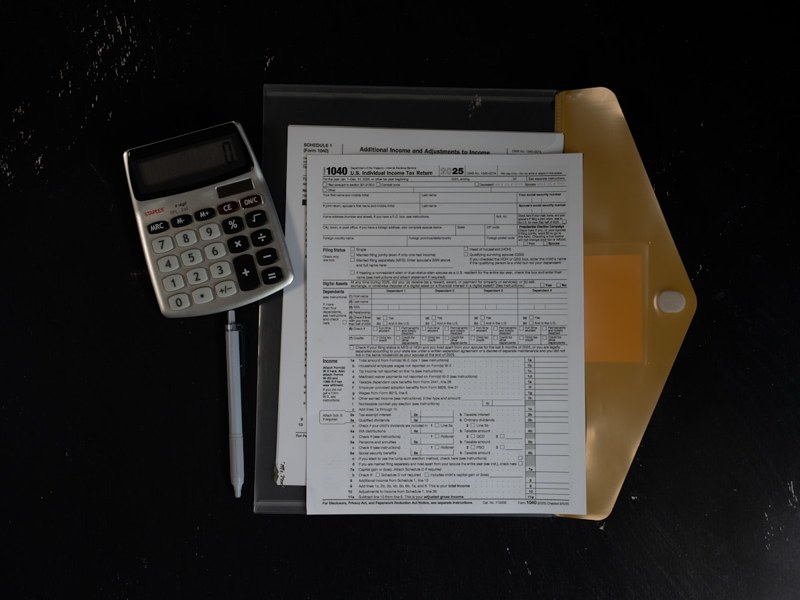
If your customer’s account shows two different addresses, check what each address represents before using one to escalate an unpaid invoice. A billing address, an individual’s correspondence address and an address relevant to legal service can serve different purposes. The newest entry is not automatically the correct one for every task, and an address in an old contract may no longer reflect the current facts.
Raffles Corporate Services works with a panel of experienced Singapore law firms who offer cost-effective and efficient legal service and advice. This article is general information only and is not legal advice.
For personal data, the PDPC’s accuracy obligation requires reasonable efforts towards accuracy and completeness, particularly for decisions affecting a person or disclosure to another organisation. Address reconciliation is therefore more than an administrative tidying exercise.
Establish who the customer actually is
Start with the contracting party and the account holder. An invoice addressed to a company is not proof that an employee named on the order is personally liable. A director’s home address should not become the default collection address merely because it is easy to find.
Identify the company or individual that contracted, the nature of any guarantee and the records showing the agreed correspondence route. If liability or service is disputed, obtain legal advice on those questions separately.
Make an address comparison instead of overwriting the record
Record the competing entries, where each came from and when it was supplied. Useful sources may include the contract, an account-update request, returned correspondence and the customer’s authenticated account record. A forwarded screenshot or a salesperson’s recollection may be a lead to investigate, rather than reliable confirmation by itself.
- Which entity or person does the address describe?
- Is it a billing, delivery, residence, office or correspondence address?
- When was it provided and through what channel?
- Does the person requesting a change have authority to do so?
- Has information already been sent to a collection agent or adviser?
Keep an audit trail of the correction. Deleting the old entry without context can make it harder to understand where earlier correspondence went.
Verify a correction through an appropriate channel
Use the company’s established account-update procedure. Consider whether an unexpected address change could redirect confidential correspondence to an unauthorised person. Verify the request through a known route rather than relying only on contact details included in the change request.
If verification remains incomplete, record the uncertainty and seek clarification. Avoid presenting an unconfirmed address as an established fact to an external adviser. It is better to send an accurate explanation of the inconsistency than a clean-looking but unreliable spreadsheet.
Example: a former employee supplied an old address
A salesperson entered a customer director’s former home address when opening an account. The invoice contract names the customer company, and a later email provides a different office address. Before collection is escalated, finance should separate the director’s personal information from the company’s account details and confirm the appropriate correspondence route. Those checks do not decide whether the director has guaranteed the debt or where legal documents may be served.
Control the information passed to a debt adviser
Provide the contract, invoice ledger, relevant correspondence and a note explaining the address discrepancy. Identify confirmed facts and unresolved points. Restrict unrelated personal information instead of exporting the entire customer profile.
If incorrect data has already been disclosed, tell the responsible privacy contact and consider the appropriate correction process, including whether recipients need an update. Do not assume that amending the internal spreadsheet automatically corrects an external file.
Keep legal service as a separate decision
The appropriate address and method for a letter, statutory demand or court document depend on the document, the recipient and the applicable rules. Ask the legal adviser handling the matter to confirm the service requirements. A successful ordinary delivery or email acknowledgement does not necessarily establish valid service of a different legal document.
The finance team’s role is to assemble reliable information and explain uncertainty. It should not make a legal-service conclusion from a mailing label alone.
Can we use any address that appears in the file?
Check the purpose, reliability and relevance of the entry. Do not treat all addresses as interchangeable.
Does correcting an address change the debt?
An administrative correction does not by itself determine liability, the amount owed or the merits of a dispute. Keep the account reconciliation and legal questions distinct.
Related guidance
- Mapping the personal data your company holds
- Organising a data protection management programme
- Background on company data protection obligations
Help with company compliance and privacy matters
If you would like assistance organising your company’s compliance procedures or obtaining advice on a privacy issue, email [email protected] or WhatsApp +65 8501 7133. Our team can assist with corporate secretarial, accounting and tax matters. Where legal advice is needed, advisers from our associated law firms can assist. This is general information; legal advice should address the facts of the particular request or dispute.