
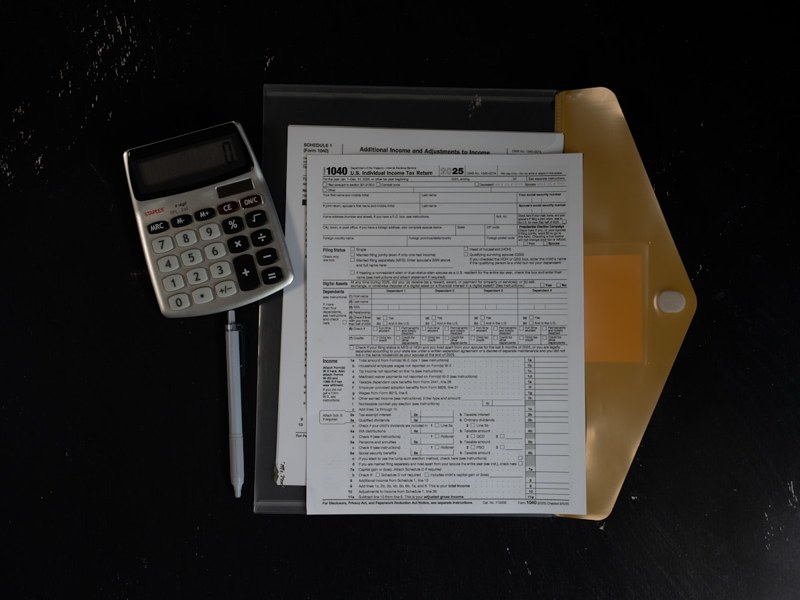
A company with no sales should still review its bank activity and other transactions before deciding which dormant-company rules apply. The accounting, company-law and tax questions should be assessed separately.
Raffles Corporate Services works with a panel of experienced Singapore law firms who offer cost-effective and efficient legal service and advice. This article is general information only and is not legal advice.
Do not mark all filing tasks as unnecessary merely because the business has not invoiced a customer.
Collect the actual activity
Review bank charges, professional fees, interest, capital movements, loans and liabilities. Keep statements and supporting records even where the amounts are small.
Ask the advisers to distinguish permitted exceptions under the relevant rules from transactions affecting the assessment. A low value is not a universal exemption.
Example: the account earns interest
The founder describes the company as unused, but the bank account earned interest and incurred charges. Give the accountant and secretary the full record so each can assess the applicable obligations.
Separate the assessments
- Company-law dormancy and preparation requirements.
- Financial-statement filing exemption, if applicable.
- Annual return and meeting position.
- IRAS return requirements or an approved waiver.
- Any other registration or continuing obligation.
ACRA’s annual return guidance should be reviewed even for a dormant company. Do not confuse a financial-statement exemption with removal of every annual filing requirement.
Keep assets and obligations visible
Maintain an accurate record of cash, deposits, receivables and amounts owed. A dormant business can still have resources or liabilities that need attention.
If closure is being considered, assess the actual closing criteria separately. A dormancy conclusion should not be used as proof that the company owns and owes nothing.
Document the conclusion for the period
Ask each adviser to state the relevant basis and any evidence needed. Keep official waiver or filing outcomes with the accounting records, and review the position when activity changes.
Do not reuse last year’s declaration automatically after a new transaction. A regular review is easier than reconstructing several years of omitted filings later.
Does zero turnover prove every dormant exemption?
No. Assess the actual transactions and relevant rules.
Should bank statements be ignored for an unused company?
No. They are part of the evidence needed to understand the company’s position.
Related compliance resources
See our constitution guide, resolution accuracy checklist and company records reconciliation guide.
Get help with your company calendar
Email [email protected] or WhatsApp +65 8501 7133 for corporate secretarial and accounting support. Our tax advisers can assist with tax filing questions, and legal advisers from associated law firms can assist where a compliance issue raises legal concerns.