
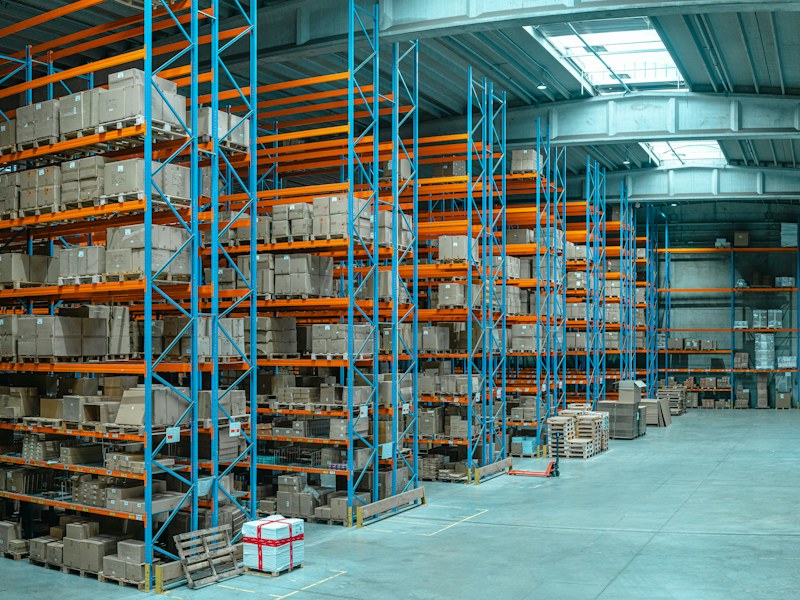
A year-end stocktake is a physical count of the inventory a company owns at its financial year end, used to confirm or correct the stock figure in the accounts. For a Singapore company that holds goods for sale, raw materials or work in progress, the count supports the inventory balance under FRS 2 (or SFRS for Small Entities), where inventory is measured at the lower of cost and net realisable value. If the company is audited and inventory is material, its auditor will normally want to attend the count. A good stocktake needs four things: written count instructions, a clean cut-off of goods in and out, a record of damaged and slow-moving items, and a reconciliation of the count to the stock system before the figures are posted.
Raffles Corporate Services works with a panel of experienced Singapore law firms who offer cost-effective and efficient legal service and advice. This article is general information only and is not legal advice.
This guide is for owners and finance staff of trading, retail, F&B and manufacturing companies.
Before the count: plan it
- Fix the date and time. Ideally at the close of business on the financial year end. If you count on another date, you must roll the count forward or back with reliable records of movements in between.
- Tell the auditor. If you are audited, agree the date with the auditor early so they can attend. Our guide to audit exemption for small companies explains who must be audited.
- Write count instructions. Cover who counts, areas and teams, units of measure, how to record damaged items, how to handle third-party goods, and what to do with discrepancies.
- Prepare count sheets or scanners. Pre-numbered sheets or a controlled scanner process, so you can account for every sheet.
- Tidy the stock. Group like items, label locations, separate damaged or obsolete stock and goods held for customers or on consignment.
- Freeze movements. Stop receiving and despatching during the count, or segregate them clearly.
During the count
- Count in teams of two: one counts, one records. Rotate a second team to re-count a sample.
- Tag counted locations so nothing is counted twice or missed.
- Note the condition of stock: damaged, expired, slow-moving or obsolete.
- Record the last goods received note and last delivery order numbers for cut-off.
- Count goods in transit, at third-party warehouses or on consignment separately, using confirmations where needed.
- Exclude goods held for others that you do not own, and include goods you own at other locations.
- Have the count supervisor sign off sheets and keep all originals.
Cut-off: the most common error
Cut-off means that every sale and purchase recorded before year end matches the stock movement. If goods are invoiced to a customer on 31 December but still sit in your warehouse and are counted, revenue and inventory are both overstated. If a supplier’s goods arrive on 31 December but the invoice is posted in January, inventory is counted but the payable is missing.
| Situation | Correct treatment |
|---|---|
| Goods despatched and invoiced before year end | Exclude from count; sale recorded |
| Goods invoiced but not yet despatched (bill and hold) | Check contract terms; usually exclude if control has passed and goods are segregated |
| Goods received before year end, invoice not yet received | Include in count; accrue the purchase |
| Goods in transit from supplier | Depends on shipping terms (who bears risk and control) |
After the count: value and post
- Reconcile to the system. Compare counted quantities to the stock records. Investigate significant differences: recount, check unrecorded sales, returns, wastage or theft.
- Value at cost. Use the company’s cost formula (first-in first-out or weighted average under FRS 2), including purchase costs, import duties and freight, and for manufacturers a share of production overheads.
- Write down to net realisable value. For damaged, expired or slow-moving items, estimate selling price less costs to sell. Document the basis.
- Post adjustments. Record the stock adjustment and any write-down, with board or management approval for large write-offs.
- Keep the file. Count instructions, signed sheets, reconciliations and valuation workings form part of the company’s accounting records, which must be kept for at least five years.
For the accounting basics, see inventory accounting for trading and retail businesses. For equipment rather than stock, keep a fixed asset register.
Tax and GST points
- Stock write-downs to net realisable value are generally deductible if they are revenue in nature and properly supported; keep the evidence.
- Stock written off because it was given away or used privately may raise GST deemed-supply questions for GST-registered businesses.
- Stock losses from theft should be reported and documented; see employee criminal breach of trust where staff are involved.
Example
Example only, not a client case. A homeware distributor with a 31 March year end plans a count on the evening of 31 March. The auditor attends. Teams count by aisle, with a second team re-counting high-value items. The count shows 120 fewer units of one product than the system; investigation finds an unrecorded customer return processed as a sale. A separate pallet of water-damaged items is valued at estimated salvage proceeds. The finance manager posts a S$18,400 adjustment and a S$6,200 write-down, both approved by the director, and files the count pack.
Frequently asked questions
Do small companies need a stocktake if they are not audited?
The law does not prescribe a count, but the company must keep records that explain its financial position and support true and fair financial statements. Without a count, the inventory figure is hard to support.
Can we count on a different day from the year end?
Yes, if you can reliably roll the count to the year end using movement records. The further from year end, the harder that becomes.
What if our auditor cannot attend?
Tell the auditor early. They may need alternative procedures, and if those are not possible the audit opinion may be affected.
Should we count consignment stock held by customers?
If you still own it, it is your inventory. Obtain written confirmations from the customers holding it.
Need help with your year-end stocktake?
If your company needs help planning a stock count, valuing inventory or preparing year-end accounts, contact the Raffles Corporate Services accounting team at [email protected] or on WhatsApp at +65 8501 7133. We prepare count instructions and reconciliations, post the year-end adjustments and prepare the financial statements and tax computations.
Kevin Yeo, Raffles Corporate Services