
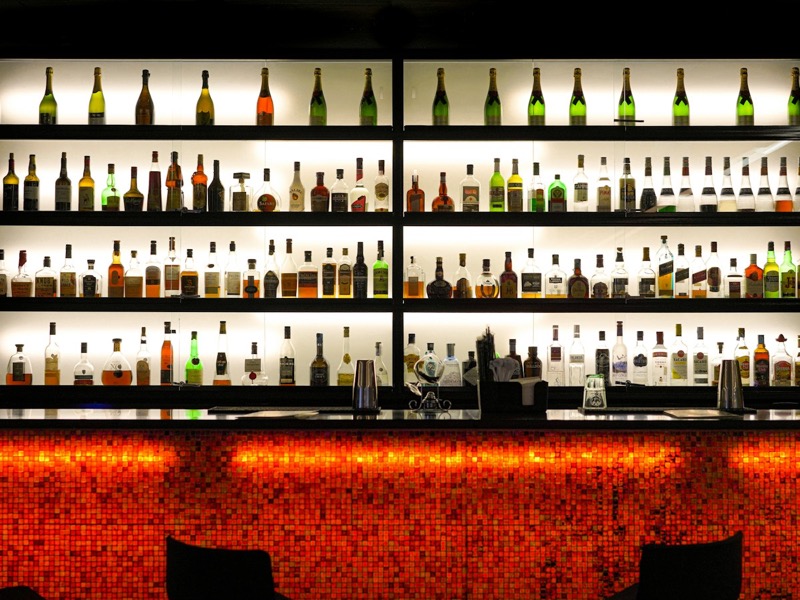
Any Singapore business that sells, serves or delivers alcohol needs a liquor licence from the Singapore Police Force, applied for through GoBusiness. The class you need depends on whether customers drink on your premises or take the liquor away, whether you sell all liquor or beer only, and the hours you want to trade. Before applying, the operating company must have the right land-use approval for the premises. A liquor licence is separate from your SFA food licence, cannot be transferred to a new operator, and must be renewed every year.
Raffles Corporate Services works with a panel of experienced Singapore law firms who offer cost-effective and efficient legal service and advice. This article is general information only and is not legal advice.
This guide is for owners setting up a restaurant, bar, cafe, coffee shop stall or bottle shop, and for anyone buying an existing F&B business. For the wider list of F&B registrations, see our compliance guide for Singapore F&B companies.
Does my business need a liquor licence?
Almost certainly, if alcohol changes hands as part of the business. The Singapore Police Force states that you need a licence to supply liquor, and that supplying liquor without a valid licence is an offence under section 4 of the Liquor Control (Supply and Consumption) Act 2015. Supply is wide: it covers selling, bartering, exchanging, serving and delivering. That catches a restaurant serving wine with meals, a cafe selling bottled beer, an online shop delivering spirits, a distributor selling to bars and a one-day event bar.
The Act allows some exemptions, but they are specific. If you think your business falls within one, check it against the SPF guidance before you start supplying, not after.
Which licence class do I need?
The SPF publishes eight classes. The hours and annual fees below are from its page on types of liquor licences and fees; fees are non-refundable, so check the current figures before you apply.
| Class | What it allows | Standard trading hours | Annual fee |
|---|---|---|---|
| 1A | All liquor, consumed on the premises | 6am to 11.59pm | S$880 |
| 1B | All liquor, consumed on the premises | 6am to 10pm | S$660 |
| 2A | Beer only, consumed on the premises | 6am to 11.59pm | S$460 |
| 2B | Beer only, consumed on the premises | As stated on the licence | S$285 |
| 3A | Retail of all liquor for consumption elsewhere, such as takeaway and delivery | 7am to 10.30pm | S$110 |
| 3B | Retail of beer only for consumption elsewhere | 7am to 10.30pm | S$110 |
| 4 | Wholesale supply of liquor | 7am to 10.30pm | S$110 |
| 5 | Temporary licence for events and exhibitions | Up to 30 consecutive days | From S$22 for one day, on a sliding scale |
Three distinctions decide most applications:
- On-premises or off-premises. A restaurant whose diners drink at the table needs a Class 1 or Class 2 licence. A shop or online seller whose customers drink elsewhere needs Class 3. A business that serves at its tables and also sells bottles to take away should ask the SPF whether both activities are covered.
- All liquor or beer only. Wine and spirits need Class 1A, 1B, 3A or 4. Classes 2A, 2B and 3B cover beer only.
- Retail or wholesale. The SPF treats a supply to another licensee, or a supply of 30 litres or more to any person, as wholesale. Supplies of less than 30 litres to others are retail.
What do I need before I apply?
The SPF’s liquor licence application page lists the main requirements:
- A registered business. The applicant’s ACRA business profile, or a registration of society certificate for a society. The licence is issued to the entity, so incorporate the operating company first. Our company incorporation guide covers that step.
- Land-use approval for the premises. One of: URA or SLA planning permission for the use, HDB approval for liquor supply at HDB premises, or an NEA hawker licence for a beer stall in a hawker centre. Check this before signing a lease, because a unit approved for retail use may not be approved for a bar.
- A contact person. The NRIC or FIN of the applicant’s contact person.
- Suitability. The applicant must be assessed as fit and proper, and the Licensing Officer considers whether the location is suitable for supplying liquor.
If you also plan live music or other entertainment, that is a separate Public Entertainment licence. The SPF says approval of one does not guarantee approval of the other.
How do I apply, and how long does it take?
- Confirm the licence class and trading hours you need.
- Obtain the land-use approval and gather the supporting documents.
- Log in to GoBusiness with Corppass and submit the application with all documents attached. The SPF says incomplete or incorrect submissions are rejected.
- Wait for the outcome. The SPF states that processing takes about three weeks when all documents are included, and it notifies applicants by SMS, email and post.
- Display the required notices and train staff on the conditions before the first sale.
Your SFA food shop or food stall licence runs on a separate track. Plan both together so that neither delays opening.
What conditions apply once I am trading?
- Age limits. No supply of liquor to anyone under 18, and no consumption by under-18s on licensed premises.
- Trading hours. Supply only within the hours on the licence. Class 1 and Class 2 licensees must display notices of their permitted hours in the premises. Extensions can be applied for at a fee per hour extended, but they are not renewed automatically.
- Delivery. Deliveries to public places must fall within 7am to 10.30pm. Retail and wholesale licensees, including online businesses, may deliver after trading hours to non-public places such as homes and offices.
- Online sales. Customers must be warned that buying liquor under 18 is an offence.
- Liquor Control Zones. Geylang and Little India have shorter hours for Class 3A, 3B and 4 licensees on weekends and on the eve of public holidays. Check the SPF page before choosing a location there.
- Outdoor seating. At an outdoor refreshment area, liquor may be served only until the earlier of the licence hours and the approved hours for the area.
What if I buy an F&B business or change the operating company?
This is where many purchasers are caught out. The SPF’s FAQ states that a liquor licence cannot be transferred to another person or to different premises. If a new operator will run the outlet, the new operator must apply for its own licence. If the business moves, the new premises need a new licence. A change of UEN also needs a new licence, while a change of company name can be made as an amendment.
The structure of the deal therefore matters:
| Transaction | Licence position |
|---|---|
| You buy the shares of the company that holds the licence | Same licensee, so the licence continues. Update key appointment holders through GoBusiness if they change. |
| You buy the business and assets through your own company | New licensee, so your company applies for a new licence. |
| The outlet moves to a new unit | New premises, so a new licence is needed for the new unit. |
| The company changes its name but keeps its UEN | Amend the licence. |
SFA food licences follow a similar rule: SFA says food retail licences are non-transferable and a new owner must apply. Our article on a restaurant changing its operating company covers the food licence side. If you are buying, make the completion date depend on the new licences being granted, or agree how the seller will keep trading lawfully until they are.
Renewal, penalties and appeals
- Renewal. Licences last up to one year. The SPF says to renew within the two months before expiry through the GoBusiness renewals tab.
- Supplying without a licence. The SPF states the penalty as a fine of up to S$20,000, with repeat offenders liable to a fine of up to S$20,000, imprisonment of up to three months, or both. The SPF FAQ adds that enhanced penalties apply in a Liquor Control Zone.
- Breaching conditions. The licence can be suspended or cancelled, in addition to any fine.
- Appeals. A refusal, a change of conditions, a suspension or a cancellation can be appealed in writing to the Liquor Appeal Board within 14 days of notice. The SPF says a decision on extending trading hours is not appealable.
Example: a cafe that adds wine and takeaway
Example: A hypothetical company runs a cafe in a shophouse unit and wants to serve wine with dinner until 11pm and sell bottles for customers to take home. Beer-only classes will not cover wine, and Class 1B ends at 10pm, so the owners consider Class 1A for the dine-in service and ask the SPF how the bottle sales should be licensed. Before applying, they confirm the unit’s URA approved use covers the planned activity. Two years later they sell the business to a buyer’s new company. Because the buyer is taking over the assets rather than the shares, the buyer’s company applies for its own liquor and SFA licences, and the sale agreement sets completion for after both are granted.
Documents checklist
- ACRA business profile of the operating company.
- URA or SLA planning permission, HDB approval, or NEA hawker licence for the premises.
- Tenancy agreement or proof of the right to occupy the premises.
- NRIC or FIN of the contact person and particulars of key appointment holders.
- Planned trading hours, layout and any outdoor seating approval.
- SFA licence application or licence for the same premises.
- For a business purchase: the sale agreement and confirmation of which entity will trade.
Frequently asked questions
Can one licence cover two outlets?
No. The SPF requires a separate licence for each premises, although one company can hold several licences.
Do I need a licence for a one-off pop-up or event?
Yes, if you will supply liquor. A Class 5 temporary licence covers up to 30 consecutive days. Events on non-consecutive dates need separate Class 5 licences.
Can I apply before the company is incorporated?
The application needs the applicant’s ACRA business profile, so the operating company should be registered first. Lease, land-use approval and licence applications should then be made in that company’s name.
Is the licence fee refunded if we close early?
No. The SPF states that liquor licence fees are non-refundable, and a termination cannot be reversed once submitted.
Does a liquor licence replace the SFA food licence?
No. They are issued by different agencies for different purposes, and each has its own enforcement regime. A restaurant serving food and alcohol needs both; our guide to SFA demerit points and food licence suspension explains the food side.
Outlets planning live music or karaoke may also need a public entertainment licence in Singapore.
Need help setting up your F&B company?
Raffles Corporate Services can incorporate your operating company, keep its ACRA records, directors and key appointment holders consistent with your licence applications, prepare the corporate documents when you buy or restructure an F&B business, and handle your bookkeeping, GST and tax filings once you open. Contact us at [email protected] or on WhatsApp at +65 8501 7133.
The Raffles Corporate Services Editorial Team, Raffles Corporate Services